
Staining and Sealing for Fences in Harsh Climates
Wood fences bring warmth, privacy, and curb appeal to a property, but they also take a beating from the elements. In regions with intense sunlight, persistent moisture, freezing temperatures, or heavy snowfall, an untreated fence can quickly fade, crack, warp, or rot. The right staining and sealing plan helps preserve both the appearance and structural integrity of your fence, even when the weather is working against it.
If you live in an area with scorching summers, soaking rains, or long winters, staining and sealing for fences in harsh climates requires more than a basic weekend coat of finish. You need the right prep work, the right product, and a maintenance schedule tailored to your environment. From extreme weather staining to choosing a UV resistant stain and improving snow and rain protection, this guide covers what homeowners should know to keep their fence looking better for longer.
Why Harsh Climates Are So Hard on Wood Fences
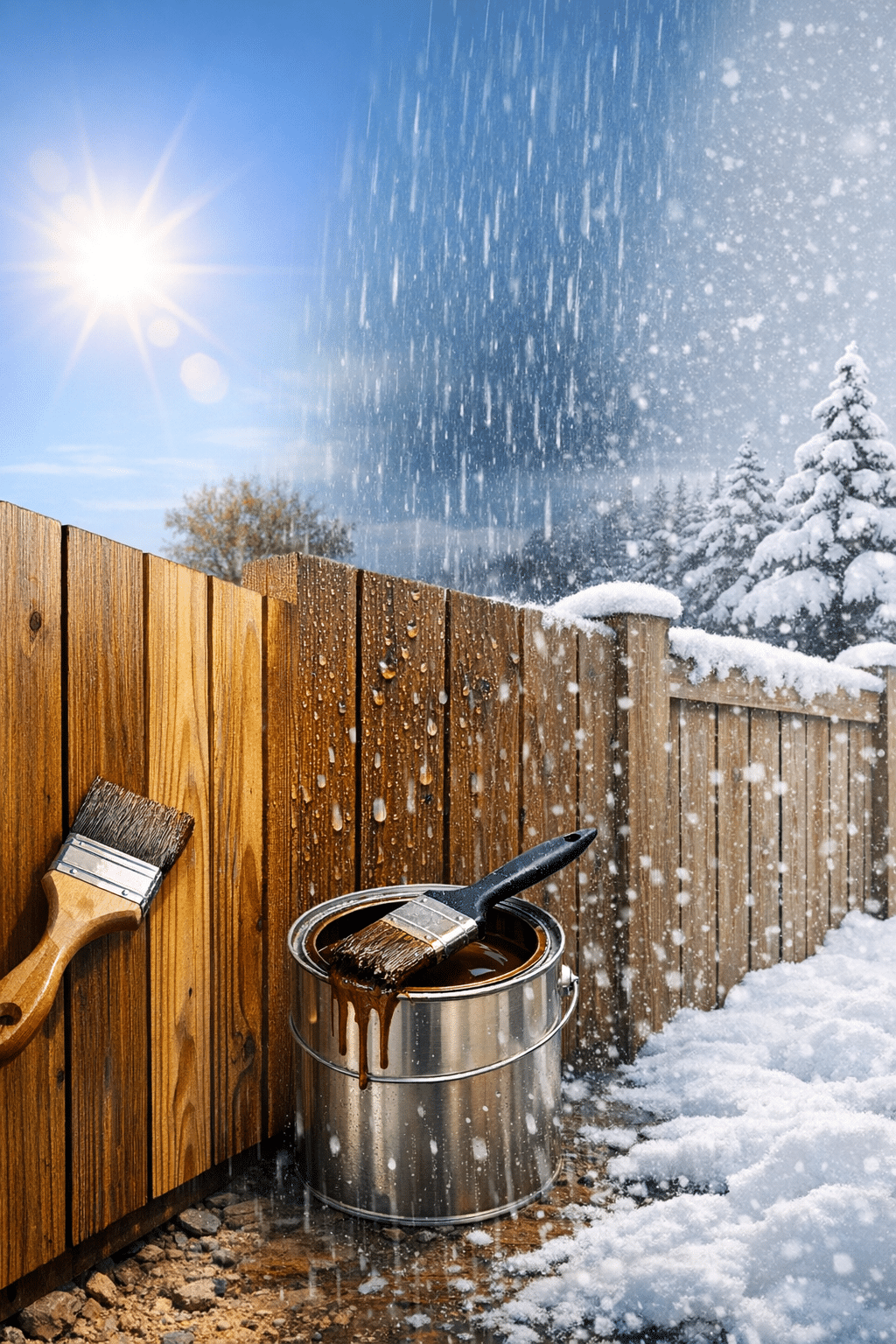
Wood is a natural material, which makes it attractive, but also vulnerable. It expands and contracts as temperatures change, absorbs moisture when exposed to rain or snow, and breaks down under prolonged sun exposure. In mild climates, these changes happen more slowly. In harsh climates, they accelerate dramatically.
Here are the most common threats:
Intense UV Exposure
Strong sunlight dries out wood fibers and causes fading, graying, and surface breakdown. Over time, UV rays weaken the lignin in wood, making boards brittle and rough. A quality UV resistant stain is essential in sunny or high-altitude areas where solar exposure is more aggressive.
Heavy Rain and Humidity
Moisture is one of the biggest enemies of wood fencing. Repeated wet-dry cycles can lead to swelling, shrinking, cracking, mildew, and rot. In damp regions, proper snow and rain protection begins with stain penetration and a durable sealer that repels water while allowing the wood to breathe.
Snow, Ice, and Freeze-Thaw Cycles
Winter weather adds another layer of stress. Snow can sit against the fence for days or weeks, while trapped moisture freezes and expands in the wood grain. This causes splitting, raised grain, and premature deterioration. Fences in cold climates need coatings specifically suited for extreme weather staining conditions.
Wind and Temperature Swings
Rapid changes between heat and cold can cause fence boards to move repeatedly. This motion can break down weaker finishes, especially thin sealers or low-grade stains. Durable products with flexibility and deep penetration perform best where weather shifts suddenly.
Stain vs. Sealer: What Your Fence Really Needs
Many homeowners use the words stain and sealer interchangeably, but they do different jobs. Understanding the difference helps you build a better defense against climate-related damage.
What Stain Does
Fence stain adds color while penetrating the wood to provide protection from sunlight and moisture. Depending on the formula, it can be transparent, semi-transparent, semi-solid, or solid. In harsh environments, stain acts as the first line of defense and is especially important for extreme weather staining.
What Sealer Does
A sealer focuses on water resistance. It helps prevent moisture intrusion that leads to swelling, rot, and mildew. Some modern fence stains include sealing properties, while other systems involve applying a separate topcoat. For climates with regular storms or snow accumulation, strong snow and rain protection depends on water repellency as much as color retention.
When You Need Both
For the best results in harsh climates, many fences benefit from a stain-and-seal combination product or a compatible multi-step system. The key is making sure the finish offers UV blockers, water resistance, and enough flexibility to move with the wood.
Choosing the Best Stain for Harsh Weather
Not all fence stains are made for demanding climates. When comparing products, look beyond color alone. Performance matters more than appearance when your fence faces year-round weather stress.
Look for UV Protection
If your fence gets direct sun for much of the day, a UV resistant stain should be a top priority. These products contain pigments and additives that help block harmful rays, reducing fading and preventing the dry, weathered look that develops in unprotected wood. Even in cooler climates, UV damage can be severe, especially on south- and west-facing fence lines.
Choose Penetrating Formulas
Film-forming coatings may look good initially, but they can peel or flake in climates with moisture and temperature swings. Penetrating stains generally perform better because they soak into the wood rather than sitting only on the surface. This is especially helpful for extreme weather staining, where durability matters more than a thick decorative finish.
Pick the Right Opacity
Opacity affects both appearance and protection:
Transparent stains showcase natural wood grain but provide the least UV shielding.
Semi-transparent stains balance natural appearance with improved weather resistance.
Semi-solid stains provide stronger color and better sun protection.
Solid stains offer the highest UV coverage, making them a smart option for aging fences or high-exposure areas.
In extremely sunny regions, a semi-solid or solid UV resistant stain may last longer than a lighter transparent formula.
Use Climate-Appropriate Chemistry
Oil-based and high-quality hybrid stains often penetrate well and hold up under demanding conditions, though local regulations may affect product availability. Water-based acrylic stains can also perform very well if specifically formulated for exterior exposure and moisture resistance. The best choice depends on your fence material, regional weather, and maintenance preferences.
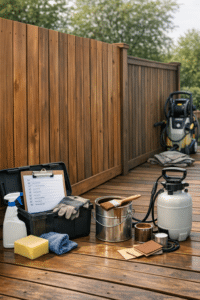
How to Prepare a Fence Before Staining and Sealing
Preparation is one of the biggest factors in long-term success. Even the best product will underperform if it is applied over dirt, mildew, or damp wood.
Inspect the Fence First
Check for loose boards, popped nails, rot, mildew, and damaged posts. Replace compromised wood before finishing. Stain and sealer cannot restore structural failure.
Clean the Surface Thoroughly
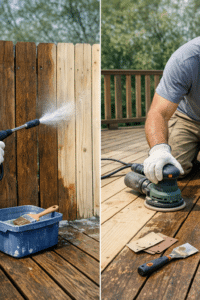
Remove dirt, algae, mildew, and old debris with a fence cleaner or wood brightener. If using a pressure washer, keep pressure moderate to avoid damaging soft wood fibers. A clean surface helps stain penetrate evenly and improves adhesion.
Let the Wood Dry Completely
This step is critical for snow and rain protection. If moisture is trapped in the wood when stain is applied, the finish can fail early. After cleaning or rainfall, allow enough drying time based on humidity, temperature, and wood thickness. In many cases, 24 to 48 hours is the minimum, but longer may be needed.
Sand Rough or Splintered Areas
Sanding smooths weathered sections and opens the grain for better stain absorption. Focus on heavily exposed areas, repaired boards, and any raised wood fibers.
Best Application Practices in Extreme Climates
Even a high-performance product can struggle if it is applied in the wrong conditions. Timing and technique matter.
Watch the Weather Forecast
Avoid staining right before rain, during high humidity, or in extreme midday heat. Most products perform best in moderate temperatures with several dry hours after application. In cold-weather regions, finish the project well before freezing nights arrive.
Apply Even Coats
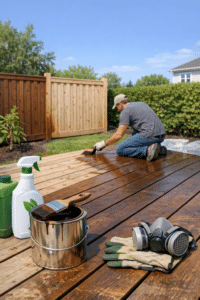
Brushes, stain pads, and sprayers can all work, but the stain should be applied consistently and back-brushed when needed. Over-application may leave sticky or uneven areas, while under-application can reduce protection. For extreme weather staining, complete coverage is essential, especially on edges, joints, and end grain.
Pay Attention to Horizontal and End-Grain Surfaces
Fence tops, post caps, and exposed end grain absorb more moisture than flat vertical boards. These areas are frequent starting points for water damage. Giving them extra care improves overall snow and rain protection.
Do Not Rush the Second Coat
If your product requires a second coat, follow the manufacturer’s timing exactly. Applying too soon or too late can affect penetration and finish durability.
Climate-Specific Strategies for Better Fence Protection
For Hot, Sunny Climates
Prioritize a UV resistant stain with strong pigment retention. Lighter transparent finishes may fade too quickly under constant sun. Consider semi-transparent or semi-solid formulas for longer-lasting results. Inspect annually for dryness, fading, and surface cracks.
For Rainy or Humid Regions
Focus on mildew resistance and moisture control. A penetrating stain with strong water repellency is ideal. Trim vegetation away from the fence to improve airflow and reduce dampness. Good snow and rain protection also means preventing sprinkler overspray and standing water near posts.
For Snowy, Freezing Climates
Apply stain before winter begins, when temperatures are still favorable and the wood is dry. Choose products known for flexibility and deep penetration so they can better handle freeze-thaw cycles. In these areas, extreme weather staining should be part of a regular maintenance routine, not a one-time task.
For Coastal or Wind-Exposed Areas
Salt air, blowing debris, and strong wind can wear down finishes more quickly. Use a durable exterior stain system and inspect exposed fence sections more frequently than sheltered ones.
How Often Should You Restain a Fence in Harsh Climates?
There is no universal schedule, because climate, sun exposure, wood type, and product quality all influence longevity. However, fences in harsh climates generally need more frequent attention than those in mild regions.
As a general guideline:
Transparent stains: every 1 to 2 years
Semi-transparent stains: every 2 to 3 years
Semi-solid or solid stains: every 3 to 5 years
Instead of relying only on the calendar, watch for warning signs such as fading, water no longer beading on the surface, mildew growth, or visible dryness. If the fence looks dull and absorbs water quickly, it may be time for another coat of UV resistant stain or sealer.
Common Mistakes to Avoid
Homeowners often shorten the life of a fence finish by making a few preventable mistakes:
Skipping prep work and staining over dirt or mildew
Applying stain to damp wood, which traps moisture
Using interior or general-purpose products instead of exterior-grade coatings
Ignoring sun exposure and failing to choose a true UV resistant stain
Waiting too long between maintenance cycles
Overlooking post tops and end grain, which need extra snow and rain protection
A little extra care during prep and product selection can save significant money on repairs or early replacement.
Final Thoughts on Staining and Sealing for Fences in Harsh Climates
Protecting a wood fence in a demanding environment takes planning, but the payoff is worth it. The right combination of cleaning, preparation, quality stain, and ongoing maintenance can help your fence withstand intense sun, heavy moisture, and winter freeze-thaw cycles. Whether your biggest challenge is fading, rot, or seasonal cracking, a smart approach to extreme weather staining makes all the difference.
If your fence faces strong sun, choose a dependable UV resistant stain. If you deal with wet winters or frequent storms, prioritize deep penetration and reliable snow and rain protection. A well-protected fence not only lasts longer, but also keeps your property looking polished year after year.
Ready to protect your fence from the elements? Choose a climate-appropriate stain and sealer, inspect your fence regularly, and start a maintenance plan before harsh weather does lasting damage.