
Fence and Deck Stain Color Trends for 2025
The best outdoor spaces feel intentional from the ground up—especially when color leads the design. If you’re refreshing your backyard or building new, 2025 is shaping up to be a standout year for fence and deck stain color trends. Expect rich, nature-rooted hues balanced by modern neutrals, and finishes designed to look great longer with less upkeep. Below, we dive into the most talked-about 2025 stain colors, the trending fence stain shades homeowners love, and the deck finish trends that deliver performance without sacrificing style.
What’s Driving 2025 Stain Colors
Design is leaning into calm, grounded palettes that blur indoor and outdoor living. This year’s colors are influenced by:
Biophilic design: Earthy browns, olive greens, and sun-washed neutrals echo natural materials and landscapes.
Quiet luxury: Soft, desaturated tones and near-black stains offer sophistication without flash.
Longevity and sustainability: Mid-tones and deeper pigments hide wear, while low-VOC, water-based formulas make color choices feel better for people and planet.
Climate realities: UV-stable pigments, matte sheens, and semi-solid formulas that resist fading are central to 2025 deck finish trends.
Top 2025 Stain Colors: The Palette You’ll See Everywhere
1) Warm Naturals: Honeyed Cedar, Toasted Oak, and Golden Teak
Warm wood-inspired tones are the cornerstone of 2025 stain colors. Think lightly toasted hues that celebrate grain without turning orange. These stains feel welcoming on decks and soften the lines of modern fencing. For versatility, choose a semi-transparent or semi-solid finish that deepens warmth while showcasing texture.
Pair with: Cream or clay-colored siding, black metal accents, and drought-tolerant landscaping.
2) Modern Grays and Driftwood Neutrals
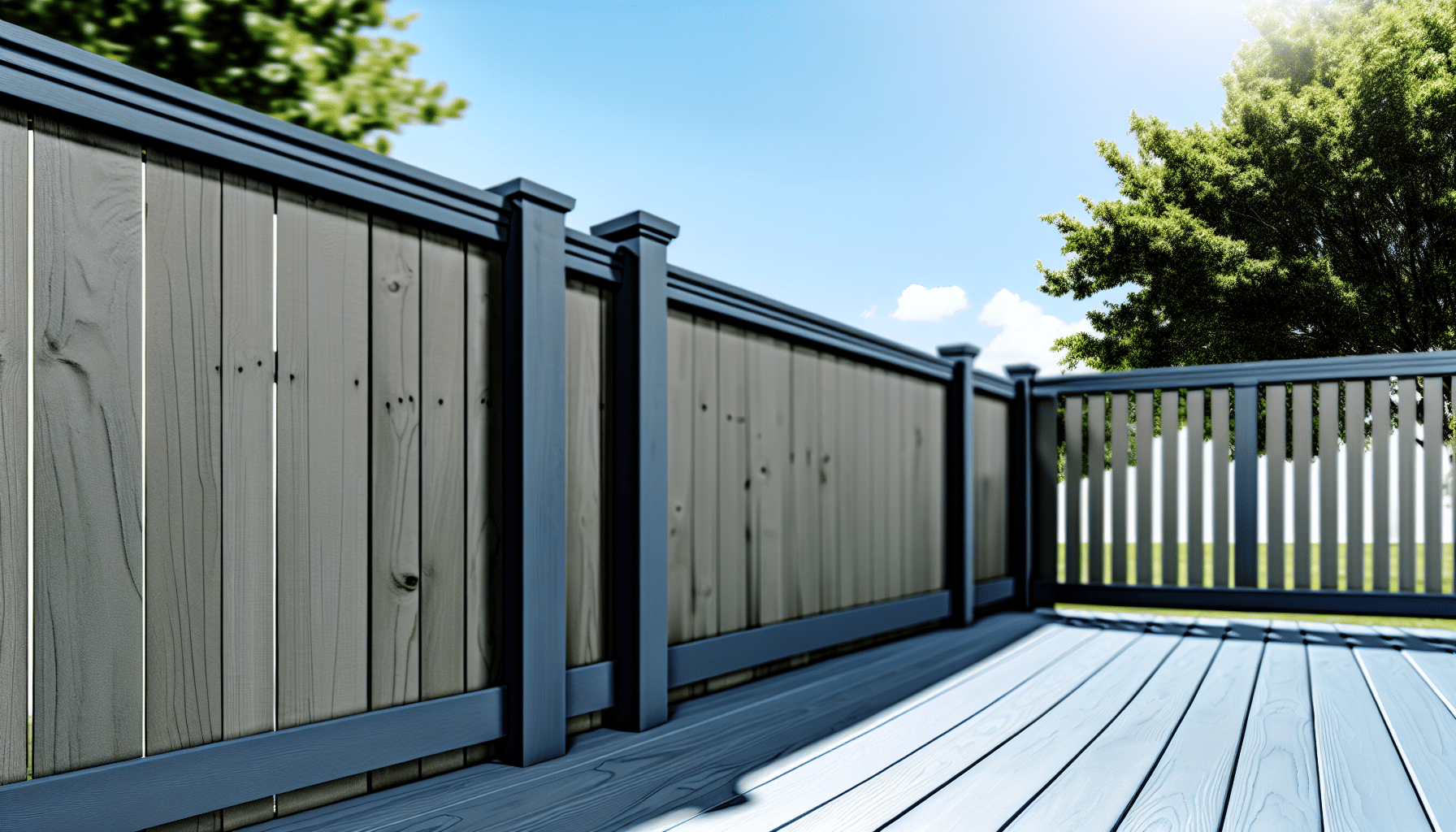
Cooler grays evolve in 2025 toward nuanced, mineral-infused shades: weathered driftwood, coastal fog, and graphite-tinted taupe. Instead of flat silver, today’s grays hold subtle brown or green undertones that feel organic rather than industrial. These are standout trending fence stain shades for contemporary and coastal homes.
Pair with: Charcoal windows, light stone pavers, and native grasses for contrast.
3) Deep Browns and Near-Blacks: Espresso, Char, and Carbon
For drama and definition, near-black stains are surging. Espresso and carbon lend a tailored, architectural look to fences and create luxe, gallery-like decks that make furniture and greenery pop. Deeper shades are also practical—they camouflage scuffs and weathering better than pale tones.
Pro tip: Opt for a matte or low-luster sheen to keep dark colors sophisticated, not shiny.
4) Earth and Clay: Canyon, Terra, and Umber
Sun-baked desert tones—soft terracotta, russet clay, and umber—introduce warmth without the red cast of older cedar stains. These hues read modern when desaturated and are ideal for Southwestern and Mediterranean-inspired architecture.
Pair with: White stucco, olive trees, and warm limestone.
5) Botanical Greens: Olive, Sage, and Eucalyptus
Subtle greens are a 2025 insider favorite. A whisper of olive or sage on a fence helps it blend into plantings and makes small yards feel larger. Semi-solid green-grays also hide imperfections in older boards while delivering a design-forward look.
Use sparingly: Keep decks neutral and introduce green on fencing or privacy screens for balance.
6) Sophisticated Neutrals: Greige, Mushroom, and Putty
Between warm and cool, greige and mushroom neutrals flatter virtually any exterior palette. They’re the quiet heroes of trending fence stain shades—understated, elegant, and easy to pair with both warm and cool hardscapes.
Best for: Transitional homes and shared property lines where neighbor-friendly neutrality matters.
Deck Finish Trends: Opacity, Sheen, and Texture
Color is only half the conversation. The most successful deck finish trends in 2025 center on how color is delivered—through opacity, sheen, and surface feel.
Opacity: Transparent vs. Semi-Transparent vs. Semi-Solid vs. Solid
Transparent: Highlights wood grain and is beautiful on new premium lumber. Best for UV-sheltered decks and vertical screens.
Semi-transparent: The 2025 sweet spot. Adds color, filters UV, and still shows grain for a natural look.
Semi-solid: Popular in high-sun regions; richer color, better fade resistance, and subtle grain visibility—great for busy decks.
Solid: Paint-like coverage for disguising mismatched boards or repairs. Trending on fences for uniformity and bold, modern statements.
Sheen: Matte Wins
Low-luster and true matte finishes dominate deck finish trends for 2025. They reduce glare, hide imperfections, and look closer to raw wood—especially crucial with near-black or deep brown tones.
Texture: Traction and Tactility
Micro-textured coatings and additives improve slip resistance without looking gritty. Lightly brushed or wire-brushed boards also catch semi-transparent stains beautifully, enhancing depth while increasing traction.
Trending Fence Stain Shades by Style
Match stain strategy to your home’s architecture and landscaping for a cohesive look.
Modern and Minimal
Go-to colors: Charcoal, carbon black, and graphite greige. On slatted or horizontal fencing, dark stains create sharp lines and make greenery glow.
Modern Farmhouse
Go-to colors: Toasted oak, weathered driftwood, and mushroom. These soften black windows and metal roofing while keeping the palette grounded.
Coastal Contemporary
Go-to colors: Driftwood gray, coastal fog, and eucalyptus. Semi-transparent finishes suggest natural aging without the maintenance of leaving wood raw.
Southwestern and Mediterranean
Go-to colors: Terra, clay, and umber in semi-solid opacity. Pair with white stucco and warm stone for a timeless palette.
Cabin and Rustic
Go-to colors: Walnut, espresso, and honey cedar. Deep browns complement log and timber elements while resisting visible wear.
How to Choose the Right 2025 Stain Color
Even the most on-trend colors can miss if undertones clash or lighting is ignored. Use this quick framework:
1) Read your undertones: Match warm stains (honey, umber) with warm siding and roof colors; pair cool stains (driftwood, charcoal) with gray or black accents.
2) Consider LRV (light reflectance value): Mid-to-deep shades hide dirt and scuffs better; very light stains can glare on sunny decks.
3) Test where it lives: Brush samples on off-cuts or an inconspicuous board and observe morning, midday, and evening color shifts.
4) Balance fence and deck: If the fence is bold (near-black), choose a warmer, lighter deck to avoid a heavy feel. If the deck is deep espresso, keep fencing neutral or softly green.
5) Plan for furniture: Stain should complement your longest-lasting pieces—think teak dining sets, black-metal railings, or woven lounge chairs.
Regional and Climate Considerations
High UV and hot climates: Choose semi-solid or solid formulas in mid-to-deep tones with UV inhibitors. Driftwood, espresso, and olive-gray resist fade better than pale blondes.
Wet or coastal zones: Look for mildew-resistant formulas and breathable, water-based products; grays and greiges disguise salt spray and water spots.
Cold and snowy regions: Deeper browns and charcoals hide abrasion from snow removal; matte sheens reduce the look of surface scuffs.
Arid/desert areas: Clay and umber tones harmonize with desert flora while concealing dust.
Sustainability and Health: Smarter Choices in 2025
This year, more homeowners are prioritizing low-VOC, water-based stains that cure faster and smell less without sacrificing richness. Mid- to deep-toned 2025 stain colors often rely on more lightfast pigments, helping your fences and decks look fresher between maintenance cycles.
Application and Maintenance Tips for Lasting Color
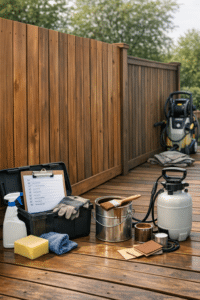
Prep is everything: Clean, brighten, and let wood dry to proper moisture content before staining. Sand raised grain or mill glaze for uniform absorption.
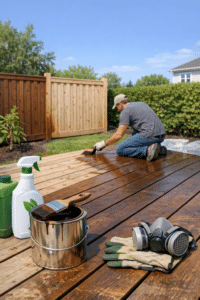
Stain smart: Work in shade on cool surfaces. Maintain a wet edge and back-brush for even saturation. Most semi-transparent and semi-solid stains perform best with two thin coats.
Mind the gaps: On fences, stain both sides and the top edge when possible; on decks, don’t forget end grains and stair risers.
Easy upkeep: Wash annually with a gentle deck cleaner and soft brush. Recoat when water stops beading or color lightens—typically every 2–4 years for semi-transparent, 3–5 for semi-solid, and 4–7 for solid, depending on exposure.
Quick Palettes to Try in 2025
Soft Contrast: Deck in toasted oak; fence in mushroom greige; black planters and cream cushions.
Monochrome Modern: Deck in espresso matte; fence in carbon black; accents in warm teak for texture.
Coastal Calm: Deck in driftwood; fence in eucalyptus sage; white umbrellas and galvanized hardware.
Desert Warmth: Deck in umber; fence in clay; terra-cotta pots and natural jute rugs.
Garden Blend: Deck in honey cedar; fence in olive gray; layered greens and copper lighting.
2025 Stain Colors: The Bottom Line
The most compelling 2025 stain colors balance warmth, restraint, and durability. Whether you lean into trending fence stain shades like graphite greige and near-black or prefer driftwood and honeyed cedar for your deck, today’s deck finish trends make it easier to get a refined, lasting look. Start with undertones, test in real light, and choose an opacity and sheen that match your climate and maintenance goals.
Ready to Refresh Your Outdoor Space?
Choose a palette that elevates your architecture and lifestyle, then bring it to life with smart finishes and thoughtful application. If you’re unsure where to start, sample two or three favorites side-by-side and see how they interact with your home. Want personalized guidance? Reach out for a custom color consult and get a tailored plan for your fence and deck—so your backyard is on-trend for 2025 and timeless for years to come.