
How Often to Restain Wood Fences and Decks in Different Climates
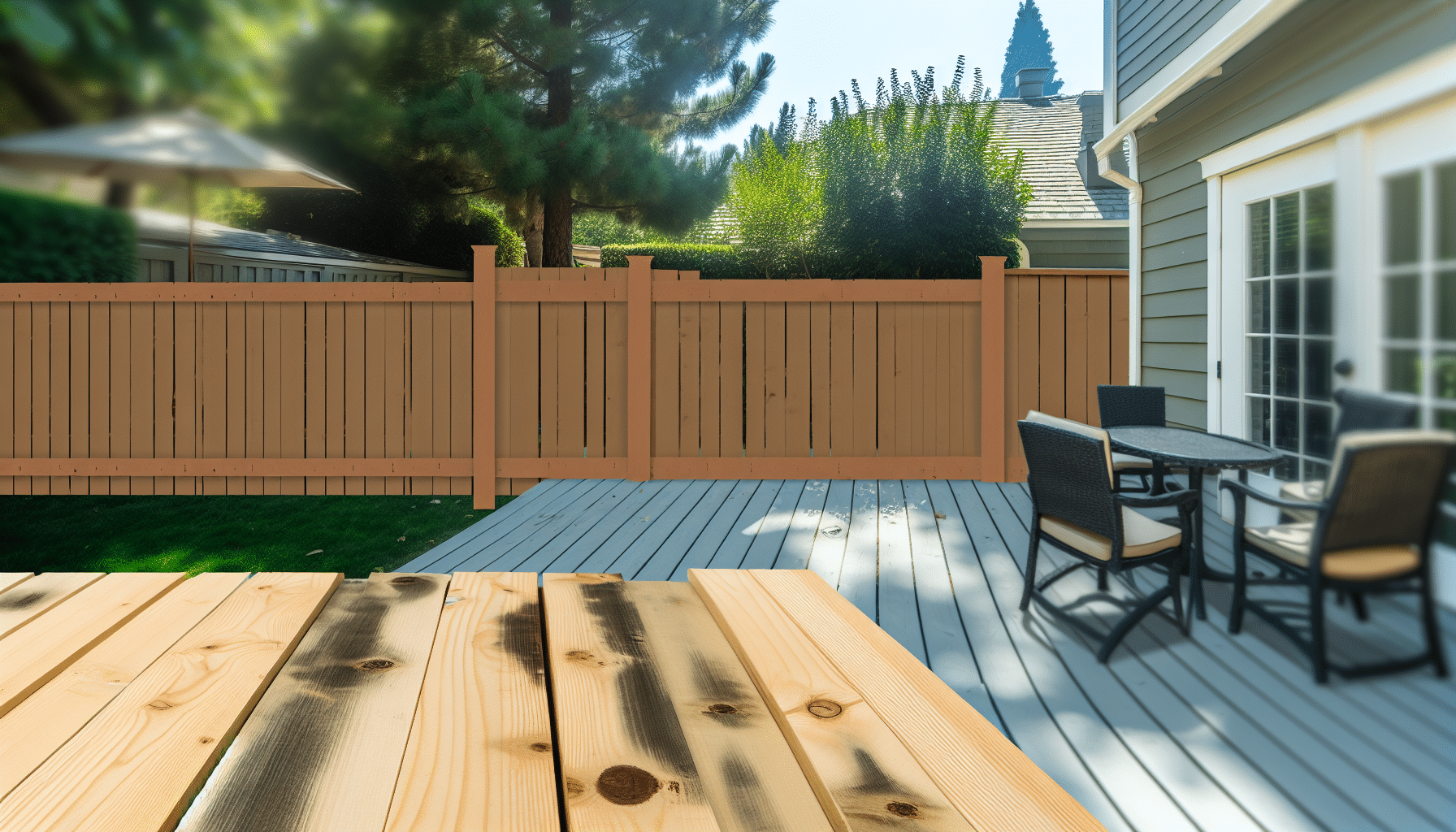
Wondering when to recoat your fence or deck? The right schedule isn’t one-size-fits-all. It depends on your local weather, sun exposure, and the type of wood and stain you use. Use this practical fence care guide to set a tailored plan for your property. Below, you’ll find clear, climate-specific timelines, essential climate factors to consider, and expert tips to extend your stain’s life—so your outdoor wood looks great and lasts longer.
Why Climate Matters for Restaining Frequency
Stain protects wood from UV rays, moisture, and temperature extremes. Different regions challenge finishes in different ways, changing the restaining frequency you should target. These are the key climate factors that speed up or slow down wear:
Sun and UV Exposure
UV light breaks down lignin in wood and the color pigments in stain. High sun exposure fades stain faster, especially transparent and semi-transparent formulas. South- and west-facing surfaces need more frequent attention.
Moisture and Humidity
Rain, dew, and high humidity promote swelling, mildew, and finish breakdown. Horizontal surfaces like decks hold water longer than vertical fence boards, which is why decks usually need more frequent maintenance.
Temperature Swings and Freeze–Thaw
Rapid temperature changes expand and contract wood, stressing the finish. Freeze–thaw cycles can cause film-forming stains to crack and peel if moisture gets trapped.
Salt and Coastal Air
Salt-laden mist is abrasive and corrosive. It can dry wood out while simultaneously accelerating finish wear and discoloration, increasing the need to restain near oceans or salt-treated roads.
Altitude and Wind
High-altitude regions receive more UV intensity. Persistent wind drives dust and grit against the surface, which acts like sandpaper on the coating.
Wood Type and Stain Type Also Affect the Timeline
Besides climate, wood species and stain chemistry set your baseline intervals. Adjust from these baselines based on the climate factors above.
Common Wood Species
- Cedar and Redwood: Naturally rot-resistant and take stain well. Typical restaining frequency: fences every 2–4 years; decks every 1.5–3 years with semi-transparent stain.
- Pressure-Treated Pine: Affordable but more prone to movement and checking. Fences every 2–3 years; decks every 1–2.5 years.
- Tropical Hardwoods (e.g., ipe, cumaru): Dense and less absorbent. Often finished with penetrating oils. Expect decks every 12–24 months; fences every 2–3 years if finished (many leave fences to weather naturally).
- Softwoods (spruce, fir): Similar to pine or slightly more frequent recoats depending on exposure.
Stain Type and Quality
- Transparent/Penetrating Oils: Showcase grain; minimal pigment. Shortest lifespan. Decks: 12–18 months in moderate climates; fences: 2–3 years.
- Semi-Transparent: Balance of color and grain visibility, more UV blockers. Decks: 18–36 months; fences: 2–4 years.
- Solid/Film-Forming Stains: Opaque, strongest UV protection but can peel if prep is poor. Decks: 3–5 years; fences: 4–7 years.
- Oil- vs. Water-Based: High-quality water-based acrylics resist mildew and hold color well; oils can penetrate deeper and are easier to refresh. Product quality and surface prep often matter more than base type.
Restaining Schedules by Climate Zone
Use these climate-specific schedules as starting points. Always adjust for your particular exposure, wood, and stain brand.
Arid/Desert (hot sun, low humidity)
Challenge: Intense UV and dry air fade pigments and dry out wood.
Decks: Transparent: every 9–12 months; Semi-transparent: every 12–24 months; Solid: every 3–4 years.
Fences: Transparent: every 18–24 months; Semi-transparent: every 2–3 years; Solid: every 4–6 years.
Tip: Choose stains with high UV inhibitors. Prioritize shaded application times to reduce lap marks and improve penetration.
Humid/Subtropical (warm, frequent rain)
Challenge: Persistent moisture, mildew, and algae growth.
Decks: Transparent: every 9–15 months; Semi-transparent: every 12–24 months; Solid: every 3–4 years (watch for peeling).
Fences: Transparent: every 18–30 months; Semi-transparent: every 2–3 years; Solid: every 4–6 years.
Tip: Favor mildew-resistant formulas. Clean with a percarbonate cleaner yearly and spot-treat algae to extend intervals.
Coastal/Marine (salt air, wind, sun)
Challenge: Salt spray, abrasion, and amplified UV.
Decks: Transparent: every 9–12 months; Semi-transparent: every 12–18 months; Solid: every 2–3 years.
Fences: Transparent: every 18–24 months; Semi-transparent: every 2–3 years; Solid: every 3–5 years.
Tip: Rinse salt deposits regularly. Consider darker semi-transparent tones for more UV protection without going fully solid.
Cold/Continental (snow, freeze–thaw)
Challenge: Moisture intrusion and expansion/contraction cycles.
Decks: Transparent: every 12–18 months; Semi-transparent: every 18–30 months; Solid: every 3–5 years (ensure meticulous prep).
Fences: Transparent: every 2–3 years; Semi-transparent: every 2–4 years; Solid: every 4–6 years.
Tip: Seal end grains and fastener penetrations. Recoat before winter if the water test shows absorption.
Temperate/Mild (balanced sun and rain)
Challenge: Moderate UV and occasional wetting.
Decks: Transparent: every 12–18 months; Semi-transparent: every 18–36 months; Solid: every 3–5 years.
Fences: Transparent: every 2–3 years; Semi-transparent: every 2–4 years; Solid: every 4–7 years.
Tip: With good prep and quality products, you can often reach the upper end of these ranges.
High-Altitude/High-UV (mountain, strong sun)
Challenge: Elevated UV intensity and wind-driven abrasion.
Decks: Transparent: every 9–12 months; Semi-transparent: every 12–24 months; Solid: every 2–3 years.
Fences: Transparent: every 18–24 months; Semi-transparent: every 2–3 years; Solid: every 3–5 years.
Tip: Use multi-pigment stains with UV blockers. Add shade structures where feasible to reduce direct exposure.
Tropical (intense sun and frequent downpours)
Challenge: Powerful UV combined with heavy rain and rapid weathering.
Decks: Transparent: every 9–15 months; Semi-transparent: every 12–24 months; Solid: every 2–3 years.
Fences: Transparent: every 18–30 months; Semi-transparent: every 2–3 years; Solid: every 3–5 years.
Tip: Time maintenance just before the dry season for optimal curing, and ensure moisture content is within manufacturer limits.
How to Tell It’s Time: Field Tests and Visual Cues
Don’t rely on the calendar alone. Use these quick checks to fine-tune restaining frequency in any climate:
- Water Bead Test: Sprinkle water. If it soaks in within 10–15 seconds instead of beading, it’s time.
- Color Fading/Graying: Significant loss of color or widespread graying signals UV breakdown.
- Mildew or Algae: Persistent spotting that returns quickly after cleaning indicates a weakened finish.
- Raised Grain/Splinters: Wood feels rough or looks fibrous—coating has worn thin.
- Peeling/Flaking (solid stains): Any lifting edges demand earlier intervention and more thorough prep.
Prep and Application Tips to Extend Time Between Coats
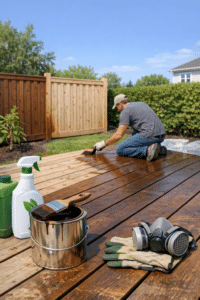
A few pro habits can add months (even years) to your schedule—no matter the climate factors you face:
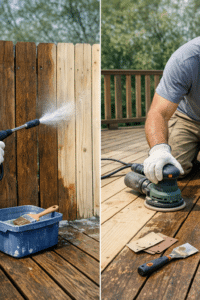
- Clean First: Use a wood cleaner (percarbonate for organics; oxalic/brightener to neutralize and restore color). Rinse thoroughly.
- Dry and Measure: Allow 24–72 hours of dry weather; ensure wood moisture meets your stain’s spec (often below 15%).
- Gentle Prep: Light sand or brush to remove fuzz and open pores, especially on decks.
- Right Conditions: Apply between 50–90°F, out of direct sun and heavy wind. Avoid rain within the cure window.
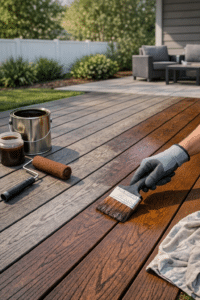
- Thin, Even Coats: Two thin coats of a penetrating product often outperform one heavy coat. Back-brush for uniformity.
- Seal Vulnerable Areas: Pay attention to end grain, rail caps, and board edges—prime failure points.
- Annual Light Maintenance: Wash gently, spot-treat mildew, and refresh high-wear zones before the whole surface fails.
Quick Reference: Restaining Frequency Summary
In average exposure, adjust by climate as outlined above:
- Transparent: Decks every 12–18 months; Fences every 2–3 years.
- Semi-Transparent: Decks every 18–36 months; Fences every 2–4 years.
- Solid: Decks every 3–5 years; Fences every 4–7 years.
Remember, the best fence care guide is your eyes and simple field tests. If water stops beading or color has faded dramatically, move your schedule up.
Regional and Site-Specific Adjustments
Even within the same