
How to Achieve a Natural Wood Look with Clear and Semi-Clear Stains
If you love the warmth and character of real wood, the last thing you want is to hide it under heavy pigment. The right combination of clear stains and semi-clear finishes can subtly highlight grain, even out tone, and protect without masking the material’s intrinsic beauty. This guide walks you through the choices, prep, and techniques that deliver a truly natural wood look—from selecting the ideal product to flawless application and easy maintenance.
Clear vs. Semi-Clear: What’s the Difference?
Both clear stains and semi-clear finishes aim to preserve natural figure and depth, but they do it in slightly different ways:
What are clear stains?
Clear stains are essentially transparent colorants or lightly toned sealers with minimal to zero pigment. They soak into the surface to enhance grain contrast and add subtle warmth without noticeably changing color. Some “clear” products are purely protective topcoats (no color), while others are transparent stains with a faint tone. The result is a clean, crisp, natural wood look with maximum grain visibility.
What are semi-clear finishes?
Semi-clear finishes include lightly tinted oils, varnishes, or waterborne coatings that keep grain highly visible but add a small amount of color for tone control and UV defense. They’re ideal when the wood needs a whisper of color to balance uneven hues, reduce yellowing, or harmonize multiple boards while still looking natural.
When should you choose each?
Pick clear stains when your wood already looks great and you want to lock in its natural character with minimal color shift—think maple cabinets, walnut shelves, or white oak furniture. Choose semi-clear finishes when the species is blotchy (like pine), sun-exposed (decks and siding), or mismatched in tone; the slight tint can smooth inconsistencies and extend outdoor durability.
Choosing Products for a Natural Wood Look
Factor in species and starting color
Every species reacts differently:
- Maple and birch: Can blotch with pigment; clear stains or waterborne sealers help keep them even and pale.
- Walnut: Already rich; clear coats showcase figure without darkening too much.
- Oak (red or white): Loves transparent finishes; semi-clear can neutralize red undertones or warm cool hues.
- Pine, fir, and cedar: Prone to blotching and strong color shifts; semi-clear finishes with conditioners often look best.
- Exotics (teak, ipe): Dense and oily—favor penetrating oils or specialty clear systems, especially outdoors.
Oil-based vs. water-based vs. hybrid
Oil-based clear stains lend warmth, deepen grain, and are forgiving to apply; they may amber over time. Water-based clear stains and finishes keep colors truer and dry fast with low odor, making them great for pale woods and indoor projects. Hybrid/oil-modified waterborne finishes strike a balance—slight warmth with fast dry and good durability. If your priority is a pale, modern natural wood look, waterborne products often win.
Sheen matters
Gloss magnifies depth but can look “plastic.” For a natural result, choose matte or satin. These sheens reduce glare, hide minor flaws, and feel closer to raw wood while still protecting the surface.
Preparation: The Foundation of a Flawless Finish
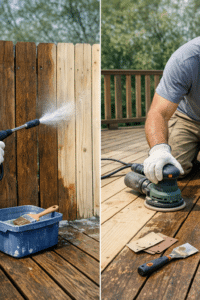
A perfect finish starts with perfect prep. Clear and semi-clear products won’t hide flaws—they reveal them. Take your time here.
- Sanding sequence: Work through grits progressively (80/100 to flatten, 120/150 to refine, 180/220 to finish). Over-sanding can burnish tight-grained woods and reduce stain absorption. Stop at 180–220 for most interiors.
- Raise the grain (water-based): Lightly wipe with a damp cloth, let dry, then scuff-sand 220. This prevents a rough feel after your first coat.
- End grain control: Seal end grain with a diluted coat or gel product so it doesn’t darken more than faces.
- Condition softwoods: A pre-stain conditioner evens out pine, fir, and alder when using either clear stains or semi-clear finishes.
- Dust-free zone: Vacuum, tack-cloth, and control airflow. Any dust becomes permanent texture under a clear coat.
Color Strategy: Subtle Tone, Big Impact
Even “clear” choices can shift tone. Plan for the color you want to live with:
- Neutral clarity: Waterborne clears keep maple and ash light and fresh. Great for Scandinavian palettes.
- Warmth and depth: Oil-based clear stains add honeyed warmth that accentuates grain, ideal for oak or walnut.
- Tone correction: Use semi-clear finishes to nudge red oak toward neutral or cool down orange pine. A barely-there tint can transform the overall feel while staying natural.
- Layering trick: A faint toner in your first coat, then clear topcoats, often yields the most authentic, controlled natural wood look.
Always sample on offcuts or hidden areas. Evaluate in the room’s lighting at different times of day before committing.
Application Techniques for an Even, Natural Result
Brushing and wiping
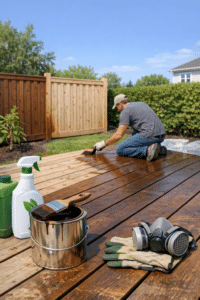
For penetrating clear stains, flood the surface and wipe off the excess with the grain. Work in manageable sections to avoid lap marks. For semi-clear film finishes, apply thin, even coats with a high-quality brush or pad, maintaining a wet edge to prevent streaks.
Spraying for ultra-smooth results
Spraying produces a uniform film with minimal brush texture—fantastic for that “bare-wood-but-better” effect. Keep passes overlapping by 50%, move consistently, and back-brush only if needed. Always follow the manufacturer’s viscosity and tip recommendations.
Coats and dry times
- Penetrating clear stains: Usually 1–2 coats; more can lead to tackiness.
- Semi-clear finishes: Build 2–4 thin coats for protection without clouding the grain.
- Between coats: Lightly scuff 320–400 grit after full cure windows; remove dust before recoating.
Temperature, humidity, and timing
Work within the product’s recommended conditions (often 60–80°F and moderate humidity). High humidity slows drying and can trap moisture, while heat speeds flash-off and creates lap marks. Plan your sequence so you always maintain a wet edge.
Interior vs. Exterior: Protecting the Natural Look
Sun, rain, and temperature swings are hard on transparent systems. Outdoors, semi-clear finishes with UV absorbers outperform purely clear coats by slowing graying and checking. Reapply at the first sign of dryness or fade. For shaded porches and vertical siding, transparent options fare better than on sun-baked decks, which may need more frequent refreshes. Indoors, choose a matte or satin waterborne or oil-modified topcoat to guard against spills and fingerprints without sacrificing that natural wood look.
Build Protection Without a Plastic Feel
The hallmark of a premium, natural finish is restraint. Aim for thin, even layers rather than thick coats. Stop when the surface feels sealed, smooth, and looks consistent—more film can start to look artificial. If you want a hand-rubbed sheen, finish with a gentle rub-out using a gray pad or 1000–1500 grit after full cure, then buff with a soft cloth.
Maintenance for Long-Lasting Beauty
- Routine care: Dust with a microfiber cloth and clean spills promptly with a damp, non-abrasive cloth. Avoid harsh chemicals.
- Refresh cycles: Interior pieces may need a maintenance coat every few years; exterior items often need seasonal inspections and periodic recoat depending on exposure.
- Spot repairs: For small dings, lightly scuff the area and apply a thin coat of the same product. Semi-clear finishes touch up more invisibly when the tone is closely matched.
Common Mistakes to Avoid
- Skipping samples: Light, room color, and wood species change results. Always test first.
- Over-applying clear stains: Leaving excess on the surface leads to stickiness and blotches. Wipe to an even, dry feel.
- Neglecting end grain: It will drink finish and darken. Pre-seal to keep the color uniform.
- Wrong sheen: High gloss can read “plastic.” Choose matte or satin for the most authentic natural wood look.
- Bad timing: Applying in direct sun, high heat, or high humidity causes lap marks and adhesion issues.
Quick FAQs
Will a clear stain change the color of my wood?
Some clear products warm wood slightly, especially oil-based options. Waterborne clears are more neutral. Always test to confirm the exact shift.
How do I prevent blotching on pine or alder?
Use a pre-stain conditioner and consider semi-clear finishes to even tone. Apply thin, controlled coats and wipe back quickly on softwoods.
Can I apply a clear finish over a semi-clear coat?
Yes—after proper curing and light scuff sanding—many pros add clear topcoats to lock in color and fine-tune sheen. Follow the manufacturer’s compatibility guidelines.
What if the wood looks too dark after staining?
If it’s still wet, wipe aggressively with a clean cloth. If cured, lightly sand and apply a clear or more neutral coat to soften the effect. In some cases, a toner-in-clear can rebalance color.
How many coats do I need for durability without losing the natural feel?
For interiors, two to three thin coats of a waterborne or oil-modified clear is often ideal. For exteriors, plan for more frequent maintenance rather than heavy film build to preserve a natural appearance.
Sample Workflow for a Natural Wood Look
Here’s a reliable, repeatable process you can adapt to your project:
- Sand to 180–220 grit; raise grain if using water-based products and scuff-sand.
- Seal end grain and condition softwoods if needed.
- Apply a test board with your chosen clear stain or a very light semi-clear finish.
- Refine tone: If desired, add a faint toner in the first coat and follow with clear topcoats.
- Build thin coats, scuffing lightly between as recommended.
- Choose a matte or satin final sheen to maintain a natural, hand-crafted appearance.
The Bottom Line
Achieving a beautiful, natural wood look is about choosing smart, subtle solutions—thoughtful prep, the right balance between clear stains and semi-clear finishes, and careful, thin applications. With a couple of samples and