
The Pros and Cons of Using Solid Color Stains on Fences and Decks
If you’re deciding how to protect and refresh your outdoor wood, solid color stains can be a powerful option. They offer strong protection, bold color, and a uniform look—yet they aren’t the right choice in every situation. This comprehensive guide breaks down the solid color stain advantages, the notable disadvantages to watch for, and the finish effects you can expect on fences and decks so you can choose with confidence.
What Is a Solid Color Stain?
Unlike transparent or semi-transparent stains that showcase wood grain, a solid color stain is opaque. It behaves like a thin, flexible coating that hides the wood’s natural color while still allowing the surface texture to show. Think of it as a bridge between traditional stain and paint: it delivers richer color and more coverage than clear or semi-transparent formulas, but usually remains more breathable and less prone to heavy film build than exterior paint.
Common chemistries include water-based acrylics and oil-based alkyds. Both can be used on fences and deck surfaces, but product selection and prep are critical to avoid early failures such as peeling or blotching—particularly on horizontal boards exposed to foot traffic and standing water.
Solid Color Stain Advantages
1) Superior UV protection and color uniformity. One of the biggest solid color stain advantages is how effectively these coatings block ultraviolet light. The pigment load shields wood from sun damage, helping prevent graying and fiber breakdown, while delivering a consistent tone that can make old boards look newly installed.
2) Excellent at hiding imperfections. Weathered fences and decks often include mismatched boards, stains, patches, or knots. A solid color stain masks these variations better than lighter, transparent options, producing a cleaner, more modern appearance with predictable finish effects.
3) Broader color choice. If you’re aiming for a specific design palette—charcoal, driftwood gray, coastal white, or bold hues—solid formulas provide far more color flexibility than semi-transparent stains.
4) Typically easier recoats than paint. While not as forgiving as penetrating stains, many solid color products recoat without the heavy scraping and priming that paint often requires, assuming the previous layer is sound and properly cleaned.
5) Moisture resistance. Quality solid stains form a protective barrier that sheds water and helps reduce swelling, checking, and decay. On vertical surfaces like fences, this benefit can extend service life significantly.
6) Better coverage per gallon. Opaque stains often provide higher spread rates and can transform a surface in fewer coats compared to translucent formulas that require multiple passes to even out color.
Disadvantages and When to Avoid Them
For all their strengths, there are meaningful disadvantages to weigh before committing to an opaque finish—especially on decks.
1) Hides the natural grain. If showcasing the wood’s character is a priority, a solid color stain will obscure it. You’ll still see texture and relief, but not the natural figure or warmth.
2) Potential for peeling on horizontal boards. Solid stains create more of a film than penetrating options. On deck surfaces that trap moisture or receive heavy traffic, that film can lose adhesion and peel—particularly where water ponds, snow sits, or sun exposure is intense. This is one of the most significant disadvantages for deck boards compared to fences.
3) More involved future maintenance. Once you go opaque, switching back to a transparent or semi-transparent stain is difficult. If peeling occurs, you may need aggressive cleaning, sanding, or partial stripping before recoating. Maintenance can be simpler than paint but more demanding than penetrating stains.
4) Lap marks and application sensitivity. Because the coating is highly pigmented, working in direct sun or hot, dry conditions can cause lap marks, flashing, or uneven sheen. Careful planning and technique are required to achieve consistent finish effects.
5) Not ideal for certain woods or conditions. Avoid solid color stains on exotic hardwoods (like ipe or cumaru), very smooth mill-glazed boards, or new pressure-treated lumber that hasn’t fully dried. On these substrates, adhesion and longevity can suffer. Oily or previously oiled surfaces may also resist bonding.
6) Heat and slipperiness concerns. Dark colors can run hotter underfoot. And if too many coats build up over the years, the surface may become slick when wet—especially on shaded or north-facing decks.
Finish Effects: How the Look and Feel Change
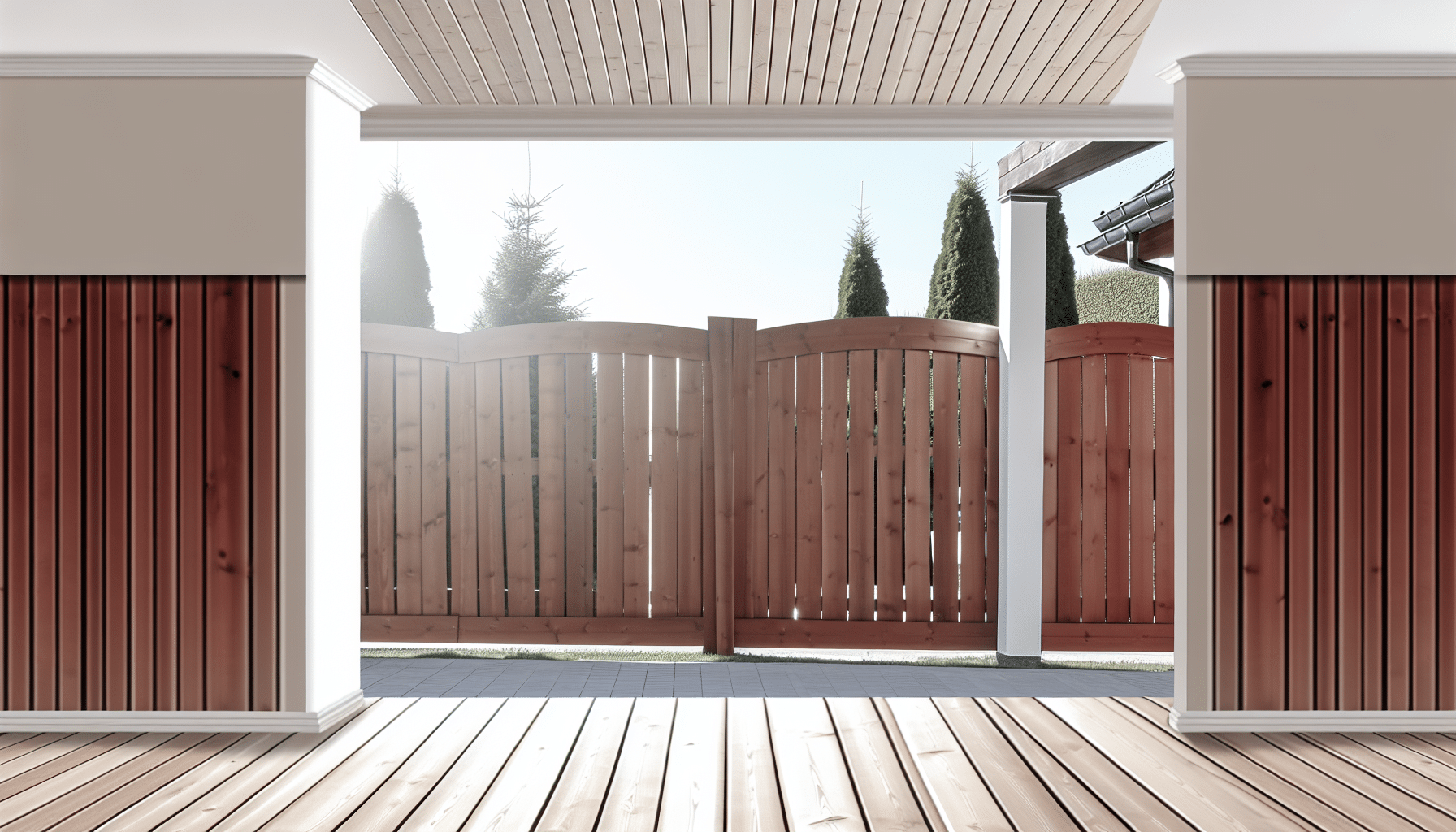
Expect a matte to low-sheen appearance with robust, even color. The texture of the wood—saw marks and grain relief—will remain visible, but the wood’s natural tone will not. These finish effects can be especially striking on fences, where continuity and contrast with landscaping matter. On decks, the finish reads clean and contemporary, but will reveal scuffs and scratches more readily than semi-transparent finishes.
Color choice strongly influences perceived size and heat: lighter grays and tans keep decks cooler and make compact spaces feel larger; deep charcoals and espresso tones deliver drama but absorb heat. For railings and fence frames, darker accents can help posts recede while pickets or deck fields carry a lighter, more reflective color for a balanced look.
Water-Based vs. Oil-Based Solid Stains
Water-based (acrylic) advantages: Faster dry times, lower odor, and generally easier cleanup. They maintain color well, often resist mildew growth on the film, and offer good long-term flexibility, which can reduce cracking. Many are designed for direct application without a primer and deliver durable finish effects on both fences and decks.
Oil-based advantages: Strong penetration into slightly weathered wood fibers can promote bonding. Some users prefer the “hand” of an oil finish and its flow on rough-sawn fences. However, oil-based products may amber over time, have higher VOCs, and can be more sensitive to surface oils, extractives, or previous coatings.
For cedar and redwood, look for formulations that address tannin bleed; spot-priming knots and end grain with a stain-blocking primer can help avoid discoloration under lighter colors.
Application Best Practices for Long-Lasting Results
Assess the substrate. Ensure wood moisture content is within the manufacturer’s recommendation (often below 15%). New pressure-treated lumber should season—sometimes several months—before coating. Avoid coating oily hardwoods and previously oiled surfaces with a solid unless the manufacturer states compatibility.
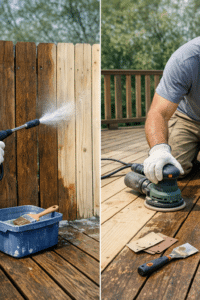
Prep thoroughly. Clean with a wood cleaner to remove dirt, mildew, and contaminants. Use a brightener on grayed wood to restore pH balance and color uniformity. Sand slick mill-glazed or previously coated boards to promote adhesion and even finish effects. Rinse thoroughly and let dry completely.
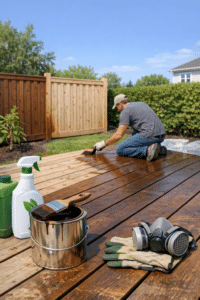
Mind the weather. Apply in the temperature and humidity range specified by the product, keeping surfaces cool and out of direct sun when possible. Work from end to end on one or two boards at a time to avoid lap marks.
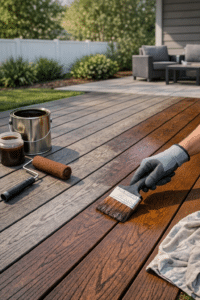
Apply correctly. Brush and back-brush to work stain into the grain, especially on rough-sawn fences and deck edges. Maintain a wet edge, and follow recommended film thickness and recoat windows. Don’t over-apply; excess film build increases the risk of peeling and slippery surfaces.
Detail the vulnerable areas. Seal end grain, cut edges, and fastener penetrations carefully. These spots absorb more moisture and are common failure points.
Maintenance and Repair
Inspect annually. Clean dirt, pollen, and mildew with a gentle wash to preserve appearance and prolong service life. On vertical fences, quality solid color stains can last 5–8 years before a full recoat; on horizontal deck boards, expect 2–4 years depending on exposure, color, and traffic. Touch up high-wear areas as needed to prevent water intrusion.
If peeling occurs, remove loose material by scraping and sanding, feather edges, clean thoroughly, and spot-prime where the manufacturer advises. Recoat within the same product line for best compatibility and to maintain consistent finish effects.
Cost, Value, and Environmental Considerations
Per-gallon prices vary, but coverage rates are often favorable, especially on fences. Because solid stains can revive weathered wood without full replacement, the value proposition is strong when prep is done right. For lower environmental impact, choose low-VOC, water-based products and dispose of wash water and rags according to local guidelines.
Quick Decision Guide: When Solid Color Stain Makes Sense
Choose a solid color stain if: You want maximum color uniformity, stronger UV defense, the ability to hide flaws, and a bold design statement—especially on fences and railings. These are core solid color stain advantages that translate into reliable curb appeal.
Think twice or avoid it if: You prize natural grain, are working with oily hardwoods, have very new pressure-treated lumber, or can’t commit to the more involved maintenance cycle on deck surfaces. These scenarios highlight the primary disadvantages for deck boards and certain wood species.
Bottom Line: Opaque Protection With Trade-Offs
Solid color stains deliver outstanding protection, color consistency, and transformative curb appeal. On fences, they’re often a top-tier choice. On decks, they can perform well with excellent prep, smart color selection, and attentive maintenance—but they carry disadvantages like potential peeling and more demanding future upkeep. Understanding the likely finish effects and matching the product to your wood, climate, and expectations is the key to results you’ll love.
Ready to transform your fence or deck?
Get a professional assessment of your wood, color options, and coating strategy. Contact us today for a personalized recommendation and estimate—so you can capture the solid color stain advantages while avoiding the pitfalls.