
Fence and Deck Staining for Commercial vs Residential Properties
Staining fences and decks seems straightforward—until you compare a busy restaurant patio or multi-tenant complex to a quiet backyard deck. The goals, timelines, products, and even safety rules can shift dramatically depending on the property type. In this guide, we break down how approaches differ between commercial and residential spaces, how to match the right stain system to each setting, and what cost differences to expect so you can plan your next project with confidence.
Why Property Type Matters
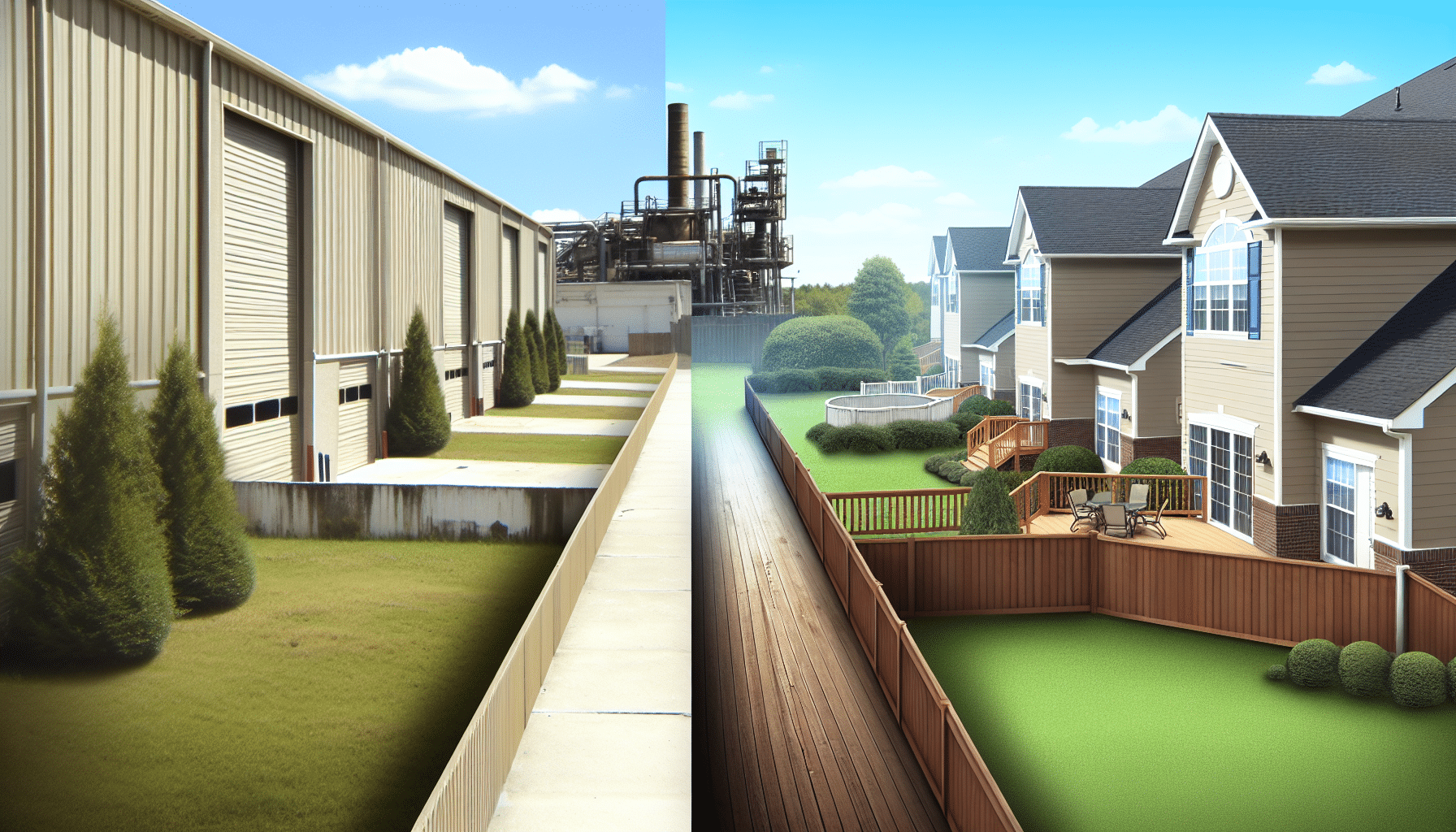
Where the wood lives dictates how it should be protected. Commercial spaces experience higher traffic, stricter operational constraints, and more oversight, while residential environments favor comfort, curb appeal, and easy maintenance. Understanding these differences helps you choose products and processes that last—and look great doing it.
Commercial Staining Needs at a Glance
Commercial staining needs prioritize durability, compliance, and minimal disruption to operations. The scale of work, occupancy rules, and brand image all play a role.
Durability and Finish Selection
- High-wear surfaces: Restaurant patios, boardwalks, and common-area decks benefit from premium, UV-stable finishes and sometimes a clear topcoat for added abrasion resistance.
- Color consistency: Multi-location brands often require repeatable hues; solid or semi-solid stains provide predictable, uniform coverage.
- Anti-graffiti options: Urban fences can use compatible clear barriers that allow easy cleanup without stripping.
Compliance, Safety, and Environmental Considerations
- Slip resistance: Walking surfaces may need additive traction media or matte finishes to reduce slip risk when wet.
- VOC regulations: Many jurisdictions limit solvent content. Low-VOC, waterborne systems are common for commercial work.
- Worksite safety: Proper barricades, signage, and curing-time controls are essential to keep the public away from wet coatings.
Logistics and Scheduling
- Off-hours work: To avoid downtime, contractors often stain overnight or during low-traffic windows.
- Phased access: Sections are completed in stages to maintain safe pathways for tenants or guests.
- Documentation: Certificates of insurance, product data sheets, and safety plans are often required before work begins.
Brand and Aesthetic Standards
- Uniform appearance: Properties like retail centers or restaurants need consistent color across multiple areas.
- Faster touch-ups: Routine maintenance is scheduled to protect the brand image year-round.
What Sets Residential Projects Apart
For residential projects, homeowners tend to value warmth, natural wood character, and safe, low-odor applications that suit family living.
Aesthetics and Comfort
- Wood-forward looks: Semi-transparent stains highlight grain and color variation for a natural finish.
- Personalization: A wider palette of tones lets you match siding, landscaping, or outdoor furniture.
Family- and Pet-Friendly Choices
- Low-odor and quick-dry: Water-based systems minimize disruption and allow faster re-entry.
- Easy upkeep: Systems chosen for simple cleaning and recoat reduce long-term costs.
Site Care and Flexibility
- Landscape protection: Masking and gentle cleaners prevent damage to plants and hardscape.
- Flexible timelines: Weather windows and weekend availability help fit busy family schedules.
Stain Types and When to Use Them
- Transparent and semi-transparent: Best for showcasing grain; require more frequent maintenance in high UV or heavy-traffic areas.
- Semi-solid and solid: Offer stronger UV protection and consistent color—useful for older wood or where brand uniformity matters.
- Oil-based vs. water-based: Oils excel in penetration and water repellency; waterborne products often win on VOC, drying speed, and color stability. Many commercial sites favor water-based for compliance and turnovers, while homeowners choose based on look and maintenance preference.
- Additives and topcoats: Traction beads for walkways, clear abrasion-resistant coats for patios, and anti-graffiti barriers for urban fences.
Prep Is the Foundation—For Both
Longevity starts long before a brush touches the wood. Proper preparation reduces failures like peeling or premature graying.
- Assessment: Identify wood species, prior coatings, fastener corrosion, rot, and UV damage.
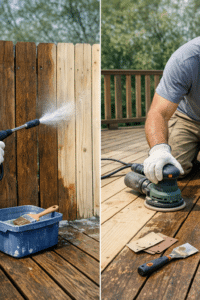
- Cleaning and stripping: Use appropriate cleaners; strip failing films; neutralize and rinse thoroughly.
- Sanding and smoothing: Open the grain where needed; remove raised fibers after washing.
- Moisture checks: Target manufacturer-recommended moisture levels (often below 15%) before staining.
- Repairs and replacements: Replace soft or split boards; set protruding fasteners flush.
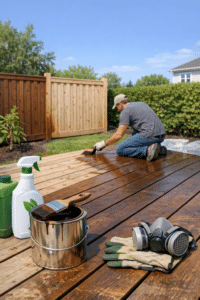
- Masking and protection: Cover adjacent surfaces, landscaping, and fixtures.
Application Methods and Production Rates
- Spray and back-brush: Common for large commercial areas; combines speed with thorough penetration and even coverage.
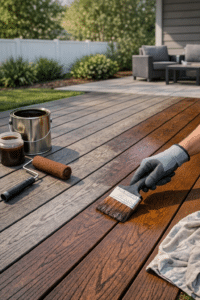
- Roller and brush: Ideal for detail work, small residential decks, rails, and cut-ins near delicate landscaping.
- Dry times: Commercial projects often stage areas to reopen quickly; residential work can allow longer cure windows for optimum results.
Cost Differences Explained
Whether you’re managing an HOA boardwalk or your first backyard deck, understanding cost differences helps set realistic expectations. Final pricing depends on square footage, condition, product system, access, and regional labor rates, but several consistent factors influence budgets.
- Scale and access: Commercial sites often require lifts, barricades, or night shifts that add mobilization costs; homes may have tight yard access that slows production.
- Compliance and insurance: Higher coverage limits, certificates, and safety oversight can raise commercial pricing.
- Product systems: Premium, heavy-duty finishes, traction additives, and topcoats cost more but reduce downtime and extend life cycles in commercial settings.
- Surface condition: Extensive stripping, sanding, and repairs increase labor for both property types.
- Production rates: Large open areas can be more efficient, but occupied properties require phasing that offsets some economies of scale.
- Maintenance plans: Commercial clients often opt for annual touch-ups; homeowners may stretch intervals for budget reasons. Proactive plans reduce total cost of ownership.
Bottom line: Commercial staining needs tend to cost more per square foot than basic residential projects due to logistics and compliance, even when buying power brings material discounts. Homeowners see the biggest cost differences when choosing between transparent looks (more frequent recoat) and solid systems (longer intervals, more prep upfront).
Maintenance Schedules and Warranties
- Transparent/semi-transparent: Recoat every 12–24 months in sunny or high-traffic zones; shaded or covered areas may extend to 24–36 months.
- Semi-solid/solid: Expect 3–5 years depending on exposure and prep quality; railings and horizontal treads wear faster than verticals.
- Commercial cycles: Many properties plan light annual clean-and-coat service to maintain brand image and slip resistance.
- Warranties: Ask for written terms that specify prep standards, product system, and exclusions (standing water, planter contact, snow melt chemicals).
Planning Checklist
For Property Managers and Owners (Commercial)
- Define performance goals: durability, slip resistance, uniform color.
- Confirm VOC compliance and obtain product data sheets.
- Schedule off-hours or phased access to maintain operations.
- Request proof of insurance and a site-specific safety plan.
- Set a maintenance calendar with clear deliverables.
For Homeowners (Residential)
- Choose a finish that fits your aesthetic and maintenance appetite.
- Discuss plant protection, cleanup, and low-odor options.
- Review repair needs and agree on any board replacements upfront.
- Plan work around weather and family schedules for safe cure times.
- Get a simple care guide for cleaning and seasonal touch-ups.
Quick Scenarios
Restaurant Patio Deck
Goal: fast turnaround, slip-resistant, uniform color. Approach: night work in sections, water-based semi-solid with traction additive, clear abrasion-resistant topcoat on traffic lanes, strict barricades during cure. Expect higher pricing due to staging and specialized products—typical of commercial staining needs.
Suburban Backyard Deck
Goal: warm, natural look with easy maintenance. Approach: daytime work, semi-transparent water-based stain for low odor, focus on grain, careful plant protection. Pricing hinges on prep and product choice; homeowners will notice cost differences between transparent systems (more frequent recoats) and solid stains (longer intervals).
Frequently Asked Questions
Can you stain while the business is open?
Often, yes—with phased areas and off-hours work. Critical paths are barricaded, and low-odor, quick-dry systems help reopen sections sooner.
How long before people can walk on a newly stained deck?
Light foot traffic is typically allowed after 24 hours, full use after 48–72 hours, depending on temperature, humidity, and product. Always follow the manufacturer’s guidance.
What weather is best for staining?
Dry conditions between 50–90°F with stable temperatures overnight. Avoid direct midday sun and high humidity to prevent flashing or poor penetration.
Can colors be matched across multiple locations?
Yes. For consistent branding, choose solid or semi-solid stains with documented color formulas and keep records for future projects.