
The Latest Technologies in Fence and Deck Stains
Outdoor wood faces relentless sun, rain, and wear—yet the newest generation of fence and deck stains is meeting these challenges head-on. Thanks to emerging technologies that elevate durability, color retention, and sustainability, homeowners and pros have more options than ever. From advanced stain formulations that combine the best of oil and waterborne chemistries to protective nano-coatings and smarter additives, today’s stain innovations offer longer-lasting beauty with a lighter environmental footprint.
Why Stain Technology Matters for Outdoor Wood
Stains do more than add color—they protect wood against ultraviolet degradation, moisture intrusion, mildew growth, and surface abrasion. Traditional stains provided basic penetration and water resistance, but they often faded quickly or required frequent reapplication. The latest technologies extend service life, reduce maintenance cycles, and enhance safety with lower odor and lower-VOC options. In short, better science equals better protection for outdoor structures you rely on every day.
From Traditional to Advanced Stain Formulations
Modern chemistries are transforming how stains perform on fences, decks, pergolas, and railings. The shift from older solvent-heavy formulas to engineered systems delivers a stronger barrier against sun and moisture while staying flexible enough to handle seasonal wood movement.
Oil vs. Waterborne: The New Balance
Classic oil-based stains penetrate deeply, enriching grain and repelling water—but they can yellow, chalk, or off-gas VOCs. Waterborne stains dry faster, resist blocking, and maintain color cleanly, yet historically struggled to match oil’s rich appearance. Today’s advanced stain formulations blend oil-into-water emulsions and hybrid binders to combine the best of both worlds: deep penetration, rich tone, and superior colorfastness with easy cleanup and reduced odor.
Acrylic-Alkyd Hybrids and Polyurethane Dispersions
Hybrid acrylic-alkyd resins and waterborne polyurethane dispersions represent a leap forward. These binders form resilient films that resist scuffing and peeling, crucial for deck surfaces with foot traffic. They maintain flexibility as temperatures swing, reducing the risk of cracking. Many hybrids also feature improved adhesion to previously stained surfaces—minimizing intensive sanding during maintenance.
Transparent Iron Oxides and Color Stability
Colorants have evolved too. Transparent iron oxide pigments allow semi-transparent stains to showcase wood grain while providing UV protection. These finely milled pigments create stable, natural-looking hues that hold up against sunlight longer than traditional dyes, supporting the promise of stain innovations that actually last.
Nano-Coatings: Tiny Particles, Big Protection
One of the most talked-about advances is the integration of nano-coatings. By dispersing nanoparticles within the stain film, manufacturers can boost UV resistance, water beading, and abrasion performance without adding significant thickness or changing the look of the wood.
UV Defense with Nanoparticle Additives
Engineered nanoparticles—such as surface-treated titanium dioxide or zinc oxide—absorb and scatter UV light. When properly coated and stabilized, they protect the wood and the stain’s binder from sun-induced breakdown. This technology helps reduce fading, graying, and brittleness, keeping fences and decks vibrant for longer periods.
Hydrophobic Nano-Silica and Easy-Clean Surfaces
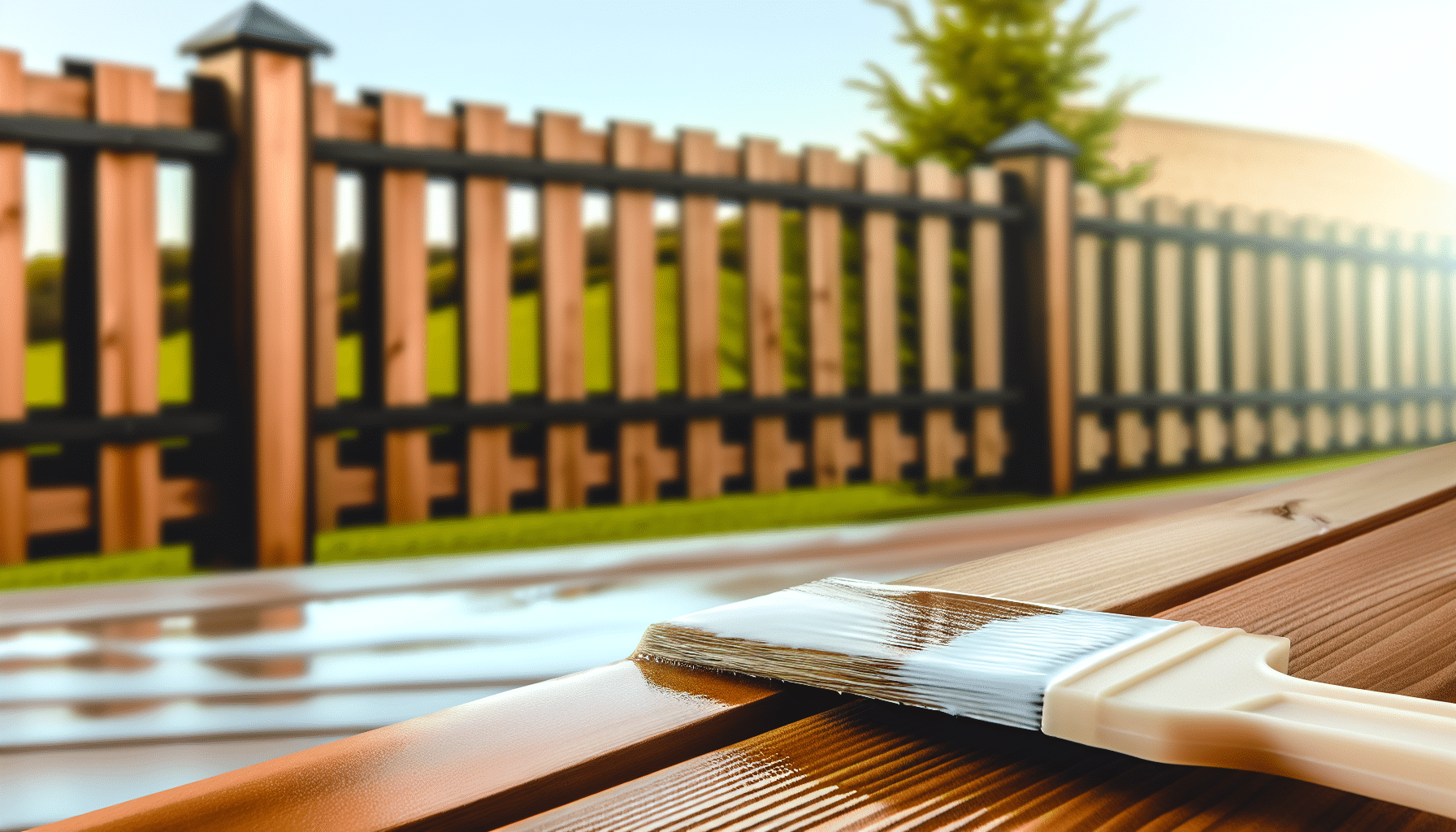
Hydrophobic nano-silica particles can increase water repellency and create a subtle, easy-clean effect on deck boards and rails. By minimizing water uptake and surface wetting, these nano-coatings help inhibit mold and mildew growth and reduce the risk of swelling and checking.
Breathability and Penetration Considerations
Great stains manage moisture both ways—keeping bulk water out while letting vapor escape. The most successful advanced stain formulations use nanoscale components without sacrificing breathability. Look for products that balance penetration in softer woods with controlled film build on dense species, ensuring durable protection without trapping moisture.
Additive Chemistry Driving Stain Innovations
Beyond binders and pigments, cutting-edge additives fine-tune performance. These components work behind the scenes to keep coatings flexible, UV-stable, and cleaner for longer.
HALS and UV Absorbers: A One-Two Punch
Hindered amine light stabilizers (HALS) intercept free radicals created by UV exposure, protecting the stain’s polymer network. Paired with UV absorbers, they significantly delay chalking, fading, and embrittlement. This synergy exemplifies the subtle yet powerful stain innovations shaping modern exterior wood protection.
Modern Mildewcides and Safer Biocide Strategies
To combat algae and mildew, contemporary formulas employ targeted mildewcides optimized for outdoor exposure and wash-off resistance. Many manufacturers are refining these packages to meet stricter regulatory standards while retaining long-term efficacy—an important step for healthier decks and landscapes.
Faster Drying, Wider Weather Windows
Advanced coalescents and rheology modifiers support faster dry times and reduced tack, allowing quicker return to service. Some formulas maintain workability in cool or humid conditions, expanding the application window so you can stain earlier in spring and later in fall without compromising results.
Sustainability and Health: Low-VOC, Bio-Based, and Longer Life
Environmental performance is central to the latest fence and deck stains. Reduced emissions, renewable content, and extended service life all contribute to a smaller footprint.
Low-VOC, Low-Odor Performance
Waterborne and hybrid systems deliver high performance with fewer solvents. Many premium options now meet stringent VOC limits while maintaining durability. Low odor also improves user comfort during application, especially in residential neighborhoods.
Bio-Based Binders and Oils
Innovative alkyds derived from renewable oils (such as linseed, soy, or tall oil) offer a path to lower carbon intensity without sacrificing strength. Combined with nano-coatings and UV packages, these bio-based binders create exterior finishes that are both tough and conscientious.
Durability as Sustainability
Every extra year before a recoat reduces total resources spent over a deck’s lifetime. The durability gains from advanced stain formulations—better UV stability, moisture resistance, and abrasion toughness—translate directly into fewer gallons used, less labor, and reduced waste.
Packaging, Concentrates, and Cleanup
Some manufacturers are exploring concentrates and recyclable packaging to cut transport emissions. Water cleanup also reduces the need for solvent disposal. These incremental stain innovations add up to meaningful environmental benefits.
Application Advances and Tools
Technology improves not only the stain itself but also how it’s applied. User-friendly systems help DIYers and pros achieve consistent, pro-grade results.
One-Coat Protection and Smart Recoat Windows
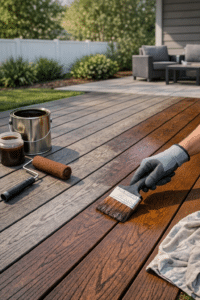
Higher solids and optimized flow allow many modern stains to deliver robust protection in a single coat—particularly in semi-transparent and semi-solid categories. Smart recoat windows enable “wet-on-dry” passes within a day, helping large deck jobs finish without lap marks.
Compatibility with Sprayers and Pads
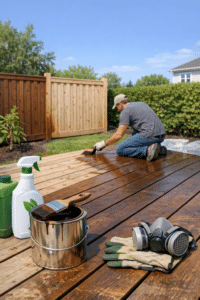
Shear-stable formulas maintain viscosity under pumping, making them sprayer-friendly. For fences, pads and back-brushing help drive material into pores and end grain, where moisture intrusion often begins. The best formulations level well to prevent flashing or blotchy areas.
Prep Still Matters
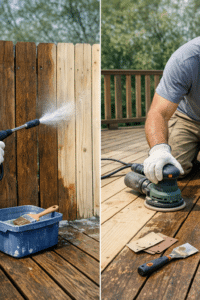
Even the most advanced chemistry needs a sound substrate. Clean, rinse thoroughly, and allow the wood to dry to the manufacturer’s specified moisture level. Remove mill glaze on new wood, and degloss glossy areas before applying hybrid or film-forming systems to ensure strong adhesion.
Choosing the Right Technology for Your Fence or Deck
With so many options, focus on matching the stain’s strengths to your project’s conditions. Here’s how to evaluate.
Climate and Exposure
High-UV, arid regions benefit from robust UV packages with nanoparticles and HALS. Wet climates favor stains with advanced water repellency and strong mildew resistance. Coastal environments may call for tougher binders and frequent rinsing to combat salt and sand abrasion.
Wood Species and Age
Softwoods like cedar and pine absorb stain readily—penetrating advanced stain formulations often excel here. Dense hardwoods (e.g., ipe, mahogany) need thin, penetrating systems and meticulous prep to avoid surface film build. Weathered wood may require restorative cleaners and brighteners for uniform color.
Transparency and Color Goals
Clear and semi-transparent stains highlight grain but demand stronger UV technology to avoid graying. Semi-solid and solid stains offer maximum color control and higher UV protection, especially on sun-drenched decks and south-facing fences.
Maintenance Expectations
If you prefer quick refreshes, choose penetrating systems that allow easy clean-and-recoat without heavy sanding. If you want maximal color uniformity and longer intervals, consider hybrid or polyurethane-enhanced stain innovations designed for greater film integrity.
Read the Technical Data
To compare products, check solids by volume (for coverage and film build), UV stabilizer packages, recommended recoat intervals, and VOC content. Look for mention of nano-coatings, hybrid binders, and advanced pigment technology—signposts of next-gen performance.
Care and Maintenance with Modern Stains
New coatings simplify upkeep, but a few habits maximize life:
Clean gently and regularly: Use a deck wash or mild cleaner and a soft brush to remove dirt and pollen that degrade coatings over time.
Spot-check high-wear areas: Stairs and traffic lanes may need earlier touch-ups; address them before wear reaches bare wood.
Rinse after storms or high pollen counts: Keeping surfaces free of contaminants helps maintain hydrophobic performance from nano-coatings.
Respect recoat timing: Follow the manufacturer’s window for maintenance coats to avoid extensive prep later.
Frequently Asked Questions
Do nano-coatings change the look or feel of wood?
Not usually. Properly formulated nano-coatings enhance UV and water resistance without noticeably altering texture or gloss, especially in transparent and semi-transparent stains.
Are low-VOC stains as durable as solvent-based options?
Yes—when you choose advanced stain formulations that pair modern binders (acrylic-alkyd hybrids, polyurethane dispersions) with robust UV packages. Many outperform legacy solvent systems in color retention and flexibility.
How often should I recoat?
Intervals vary by climate, exposure, and transparency. Clear and semi-transparent stains generally need maintenance sooner than semi-solids and solids. Expect 12–36 months for high-UV exposures and longer on vertical, shaded fences when using next-generation stain innovations.
Can I apply new technology stains over old ones?
Often, yes—after proper cleaning and deglossing. Check product guidelines for compatibility. Penetrating systems typically overlay similar products well; film-forming hybrids may require more prep for strong adhesion.
Conclusion: Make Outdoor Wood Last Longer with Smarter Stains
The science behind fence and deck coatings is moving fast—and homeowners are the winners. With advanced stain formulations, protective nano-coatings, and thoughtful stain innovations that emphasize durability and sustainability, you can achieve richer color, stronger protection, and fewer maintenance cycles. Ready to upgrade your fence or deck? Reach out to a coatings pro for a tailored recommendation, or explore next-gen stains that match your climate and wood species—and enjoy a longer-lasting finish starting with your very next project.