
Seasonal Fence and Deck Staining Tips and Schedules
Organizing your fence and deck staining projects across the calendar can be the difference between a finish that fades fast and a protective coat that lasts. With the right plan, you’ll align prep and application with the most forgiving weather, avoid costly rework, and stretch the life of your outdoor wood. Below you’ll find a complete guide to seasonal maintenance, the best months to stain in different regions, and practical weather tips to keep your fence and deck looking their best year-round.
Why Timing Matters for Stain Performance
Stain doesn’t just color wood; it penetrates and cures, forming a barrier against UV, moisture, and mildew. That curing process is sensitive to surface temperature, humidity, sunlight, and even wind. Apply when it’s too hot and stain can flash-dry before it penetrates, leading to lap marks. Apply when it’s too cold or damp and it may not cure properly, causing premature failure. The right schedule ensures your stain bonds well, cures evenly, and protects longer.
In general, penetrating oil-based stains benefit from moderate temps and low-to-moderate humidity for deep absorption. Water-based stains often cure faster and resist mildew well, especially in damp climates, but still need dry wood and steady weather. Either way, coordinated timing and seasonal maintenance habits make the finish last.
The Best Months to Stain by Season and Region
Ideal Temperature and Humidity Ranges
Before looking at the calendar, lock in the conditions that help stain perform:
- Temperature: 50–90°F (10–32°C) is typical; 60–80°F (15–27°C) is a sweet spot for most products.
- Humidity: 40–60% relative humidity is ideal. Avoid very humid days that slow curing.
- Wood Moisture: Below 15% content is best. After washing or rain, allow 24–72 hours of dry weather.
- Dew Point Rule: Keep surface temperature at least 5°F (3°C) above the dew point to prevent moisture condensation during and after application.
- Sun Exposure: Work in shade or follow the shade line to avoid hot surfaces and lap marks.
Use these targets with the calendar to determine the best months to stain in your area.
Spring (March–May)
After winter, wood fibers open up and surfaces often need cleaning. Early-to-mid spring brings moderate temperatures, making it one of the best months to stain if the forecast is steady for a few days. In regions with late frosts or frequent rain, wait for a dry spell and confirm the wood’s moisture is down before applying. One of the top weather tips for spring: rinse pollen off before you stain—pollen can keep stain from bonding.
Summer (June–August)
Summer offers long, dry windows but also intense sun and heat. Aim for mornings and late afternoons; avoid midday on sun-baked boards. In hot, arid regions, stain can dry too fast; thin, even coats and vigilant back-brushing are critical. Keep a close eye on wind—overspray wastes product and dust can contaminate a wet finish.
Fall (September–November)
For many areas, fall is prime time. Temperatures moderate, humidity drops, and weather patterns stabilize. It’s often the best months to stain if you want a predictable cure and a smooth, even finish. Clear leaves often and strain stain if debris falls into your bucket. In colder climates, finish early enough to avoid overnight lows that lead to condensation.
Winter (December–February)
In cold regions, winter is typically “prep season,” not application season. However, in mild or coastal climates, winter can offer calm, overcast days that reduce flashing if temperatures remain within the product’s spec. If you must apply in winter, heed manufacturer minimums, watch the dew point, and stop early enough to avoid cold, damp evenings.
Regional Cheat Sheet: Best Months to Stain
- Northern U.S. & Canada: Late May–June and September–early October are the best months to stain; avoid lingering spring rains and early frosts.
- Midwest: Late April–June and September are reliable; watch for sudden storms and heat waves.
- Southeast: March–April and October–November are the best months to stain; avoid peak summer humidity and afternoon thunderstorms.
- Southwest/Desert: March–April and October–November; avoid midday heat and strong winds. Mornings offer the most forgiving conditions.
- Pacific Northwest: Late June–August and early September during dry spells; capitalize on any high-pressure system that brings several rain-free days.
- Coastal Regions: Late spring and early fall; account for fog and salt. Let morning marine layer lift and surfaces dry before starting.
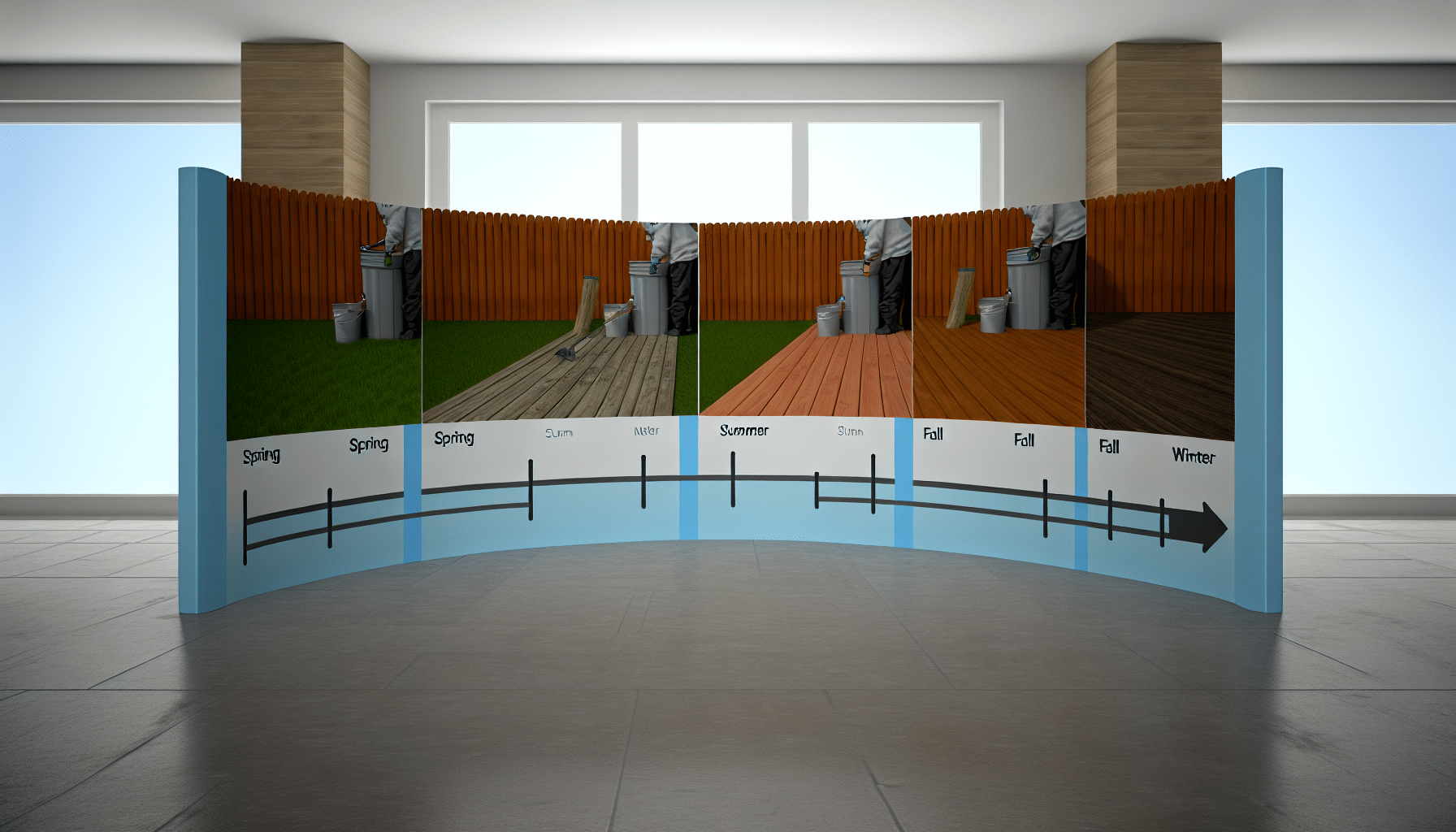
Seasonal Maintenance Schedule for Fences and Decks
A simple, repeatable seasonal maintenance plan helps you spot issues early and pick the right window for staining.
Early Spring: Inspect and Clean
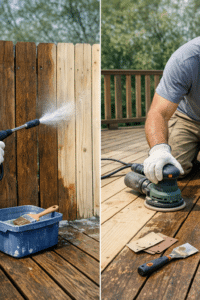
Walk the deck and fence. Replace popped fasteners, tighten railings, and repair split boards. Clean with a wood cleaner or mild deck wash to remove mildew, dirt, and winter grime. Rinse thoroughly. Allow at least 48 hours of drying in fair weather. One of the best weather tips here: choose a breezy, dry day for washing to speed dry time.
Late Spring/Early Summer: Prep and Stain
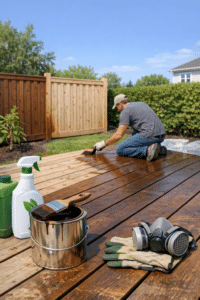
Test wood moisture. Lightly sand fuzzed grain and any previous film edges. Mask adjacent surfaces and plants. Stir stain thoroughly, then apply in thin, even coats with a pad, brush, or sprayer followed by back-brushing. Plan sections to maintain a wet edge and prevent lap marks. This period often lands in the best months to stain for many climates.
Mid/Late Summer: Spot Care
Rinse dust and pollen periodically. Touch up high-traffic steps or horizontal rails that show early wear. If UV is intense, consider a maintenance coat on south- and west-facing runs, following product recoat guidelines.
Fall: Final Seal and Prep for Winter
Reassess horizontal surfaces. If water no longer beads on contact, a maintenance coat before winter can extend protection. Blow off leaves promptly; tannins can stain finishes. Ensure sprinklers won’t hit wood during cold nights.
Winter: Monitor and Plan
Keep snow and wet leaves from piling on decks. Avoid using metal shovels that gouge the surface. Use this season to plan your spring project, order supplies, and schedule any professional help needed.
Step-by-Step Staining Process (Any Season)
Follow these fundamentals whenever you stain:
- Clean: Use a wood cleaner/brightener as needed. Rinse well.
- Dry: Let wood dry to below 15% moisture. Wait 24–72 hours after rain or washing.
- Sand/De-fuzz: Light sanding (80–120 grit) improves appearance and reduces raised grain.
- Protect: Mask walls, glass, landscaping. Lay drop cloths.
- Stir, don’t shake: Mix thoroughly and often to keep pigments suspended.
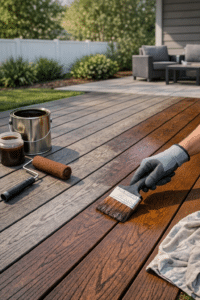
- Apply: Work two to three boards at a time along the full length to avoid laps. Back-brush for even penetration.
- Thin coats: Two thin coats typically outperform one heavy coat. Wipe excess to avoid sticky surfaces.
- Cure: Respect dry time and keep traffic off until fully cured. Protect from rain per label guidance.
Weather Tips That Make or Break Your Finish
- Chase shade: Start on the west side in the morning and the east side in the afternoon. Cooler boards accept stain evenly.
- Block wind: Wind accelerates drying and carries dust. Use windbreaks or switch to brushing on gusty days.
- Mind the dew: Stop early enough that fresh stain won’t be hit by evening dew. A two- to three-hour buffer before sunset is a good rule.
- Read the radar: Even a light shower can mar fresh stain. Require a full dry window that covers application and initial cure.
- Check surface temp: A shaded thermometer may read 78°F while sunlit deck boards are 110°F. Use an IR thermometer for accuracy.
- Humidity strategy: On humid days, prefer water-based products designed for those conditions or wait for a drier forecast if using oil-based.
These practical weather tips help you adapt in real time and protect the quality of your finish.
Choosing the Right Stain for the Season
Your climate and timing influence which stain performs best:
- Oil-based penetrating stains: Great for cooler, drier windows with time to cure. Excellent penetration and water resistance.
- Water-based stains: Faster dry, lower odor, and strong UV resistance—useful when humidity fluctuates or you need quicker recoat times.
- Transparency: Transparent and semi-transparent highlight grain but need more frequent maintenance; semi-solid/solid provide more UV protection and longer intervals.
- Additives: Look for mildewcides and UV inhibitors in shady, damp, or high-UV locations.
- VOC and safety: Comply with local regulations and use proper PPE. Always follow label directions for temperature and dry-time ranges.
Common Mistakes to Avoid
Steer clear of these pitfalls that shorten the life of your finish:
- Staining over wet wood or after recent rain without adequate dry time.
- Skipping cleaning/brightening, which leads to poor adhesion and blotchy color.
- Over-applying; thick coats can get sticky and attract dirt.
- Ignoring the forecast—rain, dew, or extreme heat can ruin results.
- Not mixing thoroughly, causing color inconsistency from board to board.
- Neglecting seasonal maintenance, allowing UV and moisture to break down protection.
Quick Annual Calendar
Use this simple guide to align tasks with the best months to stain and maintain:
- March–April: Inspect, clean, repair; schedule spring staining if weather cooperates.
- May–June: Primary staining window for many regions; apply full coats in stable weather.
- July–August: Early morning/late afternoon touch-ups; monitor high-