
How to Protect Fence and Deck Stains from Mold and Algae
Even the best-looking fence or deck can lose its charm when mold and algae take hold. The good news: with the right products, application techniques, and maintenance habits, you can keep your stain looking fresh while preventing unwanted growth. This guide walks you through proven strategies for long-lasting protection—so your outdoor spaces stay clean, safe, and beautiful.
Why Mold and Algae Show Up on Stained Wood
Mold and algae thrive where there’s moisture, shade, and organic material. Outdoor wood and composite surfaces naturally collect pollen, dust, and tannins—perfect food sources for spores. When humidity rises or water lingers (after rain or irrigation), these organisms flourish on the surface of your stain, sometimes appearing as dark speckles, green film, or slippery patches.
To combat this, you need a combination of prevention and maintenance: choose mold resistant stains, apply them correctly, reduce persistent moisture, and follow consistent cleaning tips to remove contamination before it anchors in.
Choose the Right Product: Mold Resistant Stains and Finishes
Not all exterior stains perform equally in damp or shaded environments. Selecting mold resistant stains designed for fences and decks is the first step toward algae prevention. Look for products that specifically mention “mildew-resistant,” “fungal-resistant,” or include advanced mildewcides in their formulas.
Penetrating vs. Film-Forming
Penetrating stains soak into the wood fibers, leaving a breathable finish that sheds water while allowing moisture vapor to escape. These tend to resist peeling and reduce the chances of moisture getting trapped—conditions that encourage mold and algae. In contrast, film-forming finishes (like some solid-color stains or paints) create a surface layer that can peel if moisture intrudes from behind, and once the film breaks, spores can colonize quickly. If you want the most forgiving maintenance cycle, a high-quality penetrating stain is usually the better pick.
Oil-Based vs. Water-Based
Modern water-based penetrating stains often dry faster, have lower odor, and resist UV degradation well. Many include advanced mildewcides and are excellent for algae prevention. Oil-based stains can offer rich penetration and color but may attract surface contaminants if the product remains tacky or over-applied. Whichever you choose, ensure it’s labeled as a mold resistant stain suitable for your climate and wood species.
Look for Mildewcides and Zinc Technology
Products that incorporate ingredients like IPBC (iodopropynyl butylcarbamate) or zinc-based additives can help deter fungal and algal growth on the surface. Some manufacturers also include nano-zinc or similar UV/mildew inhibitors. Check the technical data sheet (TDS) or label for these features. For deep, long-term protection, consider a borate pretreatment (applied to bare wood before staining) to defend against internal decay fungi—especially useful on fence posts and deck framing.
Preparation Matters: Clean and Condition the Surface
Proper prep is non-negotiable for stain performance and biological resistance. You want a clean, dry, and pH-balanced surface before applying any finish.
Cleaning Tips for Existing Mold and Algae
These cleaning tips help remove organic growth safely without damaging wood:
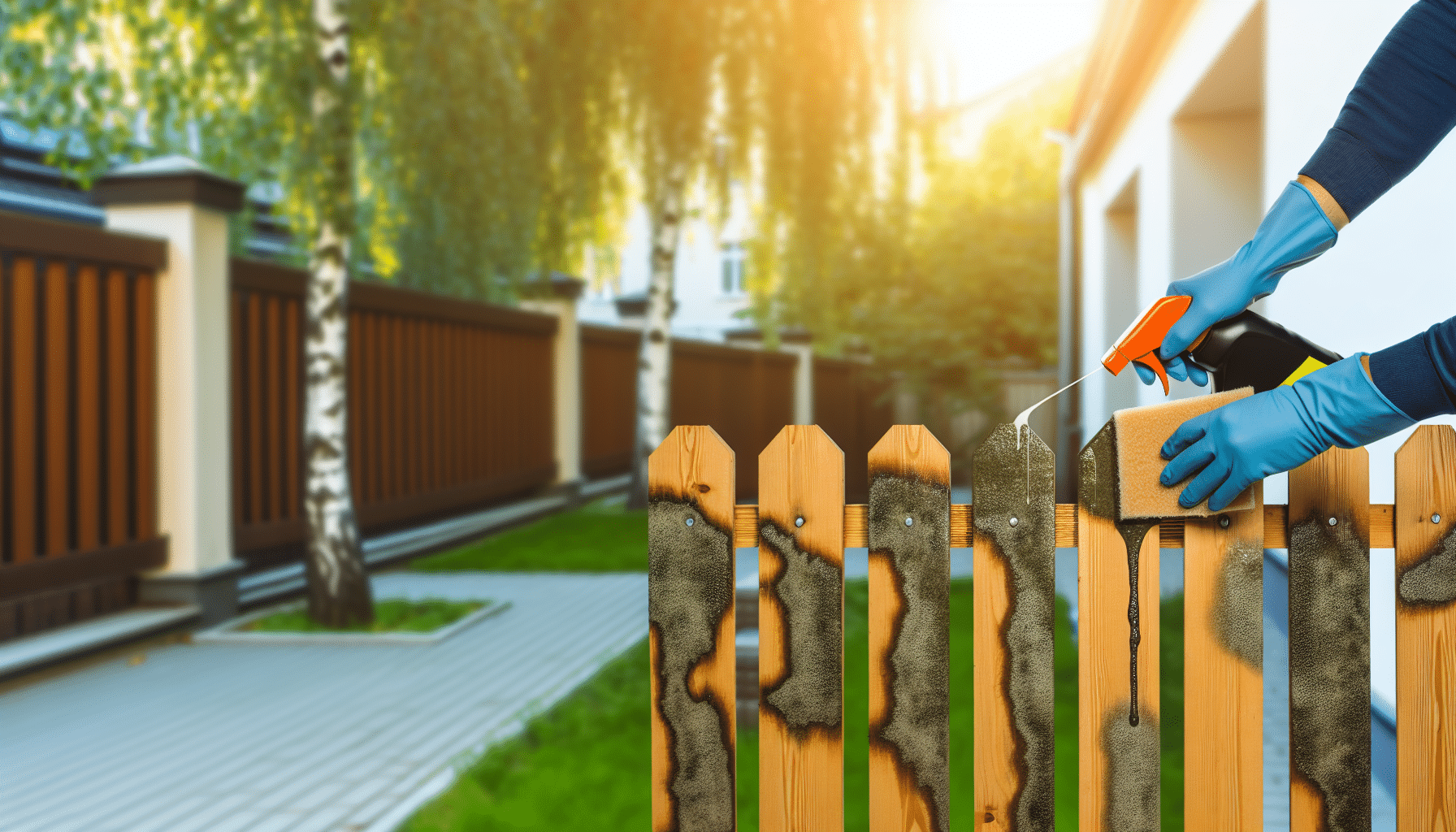
- Start with a gentle wash: Mix oxygen bleach (sodium percarbonate) at about 1 cup per gallon of warm water. Add a small amount of non-ammonia detergent to help lift grime.
- Protect plants: Pre-wet surrounding vegetation and cover delicate plants with plastic; rinse thoroughly afterward.
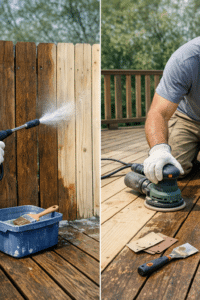
- Scrub lightly with a soft-bristle brush, working with the grain. Allow the solution to dwell for 10–15 minutes, then rinse well.
- Pressure washing is optional and should be gentle: 500–800 PSI for softwoods (cedar, pine), 25–40° tip, and keep the wand 12+ inches away to avoid furrowing the wood.
- For stubborn green algae on composites, a very dilute sodium hypochlorite solution can help. Test a hidden area first, avoid mixing with ammonia, and rinse thoroughly.
Avoid harsh, repeated chlorine bleaching on wood; it can degrade lignin and discolor the surface. Oxygen bleach is safer for wood fibers and effective on organic stains.
Neutralize and Brighten
After an alkaline cleaner, use a wood brightener (usually oxalic or citralic acid) to neutralize pH and restore color. This step improves stain penetration and evens out appearance—key advantages for long-term algae prevention. Follow label directions and rinse thoroughly.
Drying and Moisture Content
Allow 24–72 hours of dry weather before staining, depending on climate and airflow. For best results, wood moisture should be under 15%—check with a moisture meter if possible. Trapped moisture is the fastest way to undermine even the best mold resistant stains.
Application Best Practices for Long-Lasting Protection
Even the right stain can fail if applied incorrectly. These practices maximize protection and durability.
Watch the Weather Window
Apply between 50–90°F with low to moderate humidity. Avoid hot, direct sun and windy conditions that cause flash-drying. Ensure the surface temperature is at least 5°F above the dew point to prevent condensation during curing. Aim for a stretch of 24–48 rain-free hours after application.
Coats, Coverage, and Back-Brushing
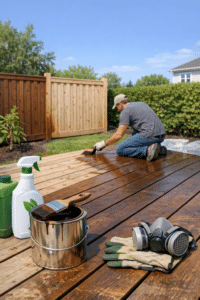
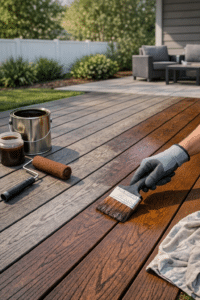
Follow the manufacturer’s spread rate. Many penetrating stains call for one coat; others allow a wet-on-wet second coat for porosity-challenged areas. Apply with a brush, stain pad, or low-pressure sprayer and always back-brush to drive the product into the grain. Avoid over-application—excess stain can become sticky, attract dirt, and feed surface growth.
Seal Vulnerable Areas
End grain, cut edges, horizontal surfaces, and fastener penetrations absorb more water. Saturate these areas and consider an end-grain sealer compatible with your stain system. On fences, pay special attention to picket bottoms and post tops; on decks, focus on rail caps, stair treads, and the first few inches around board ends.
Algae Prevention Through Design and Maintenance
Algae prevention isn’t just chemical—it’s environmental. Reduce persistent moisture, improve sunlight exposure, and keep surfaces clean to deprive spores of their foothold.
- Improve drainage: Maintain a slight pitch on horizontal caps and deck boards to shed water. Keep ground contact minimal—use gravel or pavers under fence lines and deck stairs to prevent splash-back and mud.
- Increase airflow: Trim vegetation 12–18 inches away from fences and the deck perimeter. Don’t stack planters or rugs on damp boards; they trap moisture and shade.
- Mind your sprinklers: Re-aim heads that soak rails or pickets. Repeated irrigation is a leading cause of green film on fence lines.
- Sunlight matters: Where possible, prune overhanging branches. Even modest light increases can slow algae growth dramatically.
Routine Cleaning Schedule
Consistent, light maintenance beats heavy restorations. Adopt these seasonal cleaning tips:
- Spring: Rinse off pollen and debris; spot-treat any green or black areas promptly.
- Mid-summer: Quick wash in shaded, damp-prone zones. Inspect for worn spots in high-traffic areas.
- Fall: Final rinse before winter to remove leaves, dirt, and food sources for mold.
When surfaces stay clean, mold resistant stains perform better and last longer.
Regional and Material-Specific Considerations
Humid and Coastal Climates
High humidity, salt air, and frequent fog demand extra vigilance. Choose stains with robust mildewcide packages and higher UV resistance. Plan for more frequent light cleanings, and consider adding a gentle maintenance coat every 12–24 months depending on exposure.
Composite Decks and PVC/Vinyl Fences
While these materials don’t rot, they’re not immune to surface mold and algae because airborne organics still settle on them. Use the same algae prevention strategies: routine rinsing, gentle cleansers, and shade management. Always follow the manufacturer’s cleaning and stain-compatibility recommendations to avoid voiding warranties.
Wood Species Differences
Cedar and Redwood have natural extractives that deter decay but still need protection; they can darken if mold takes hold. Pressure-Treated Pine is widely used and economical but more absorbent—proper drying before staining is critical. Dense hardwoods require specialized penetrating oils and meticulous cleaning for best results.
Troubleshooting Common Issues
Black specks soon after staining: Often dirt or tannin bleed attracting mildew. Rinse, spot-treat with oxygen bleach, and consider a quick brightener rinse. Ensure the surface was fully dry before you stained.
Green, slippery film in shaded zones: Increase airflow and sunlight, adjust sprinklers, and clean more often. A targeted, gentle wash every few weeks in peak season can stop recurrence.
Peeling or blotchy appearance: Likely over-application or film-forming product on damp wood. Strip or clean to bare sound surface, brighten, let dry thoroughly, and switch to a breathable, penetrating mold resistant stain.
Graying under the stain: UV damage or insufficient coverage. Reclean, brighten, and recoat as directed by the manufacturer.
A Simple Maintenance Calendar
Quarterly: Quick rinse, remove debris from gaps and fence bases.
Biannually: Deep clean shaded/damp areas with oxygen bleach; brighten if needed.
Annually: Inspect for worn high-traffic zones and end grain; apply a light maintenance coat where the finish has thinned.
After storms: Clear leaf piles, recheck sprinklers, and dry off horizontal caps where water pools.
Safety and Best Practices
Always wear gloves and eye protection when using cleaners and brighteners. Never mix bleach with ammonia or acids. Protect metal hardware during strong chemical applications, and rinse thoroughly. Follow manufacturer directions for mixing, dwell time, and disposal. Local regulations may restrict certain chemicals—verify before use.
Keep Your Fence and Deck Looking New
With the right