
How to Build a Fence or Deck That Stains Well
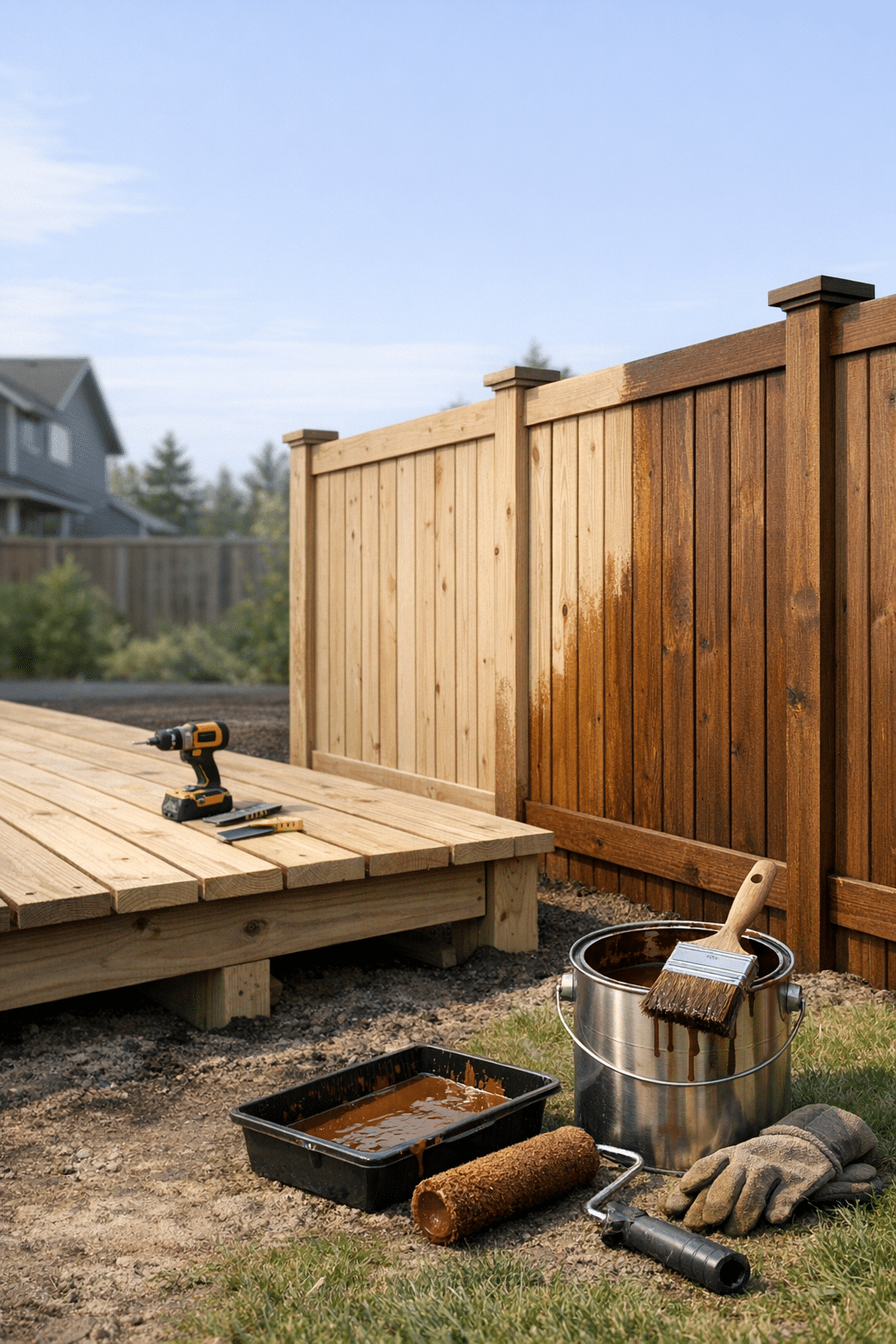
A beautiful stain finish starts long before the brush, pad, or sprayer comes out. If you want a fence or deck that looks rich, even, and long-lasting, the real work begins during planning, wood selection, and construction. The species you choose, the way boards are installed, and even the details of your fence design all affect how well wood absorbs stain and how attractive the final result will be.
Many homeowners focus on stain color alone, only to find that some boards turn out blotchy, uneven, or difficult to maintain. In most cases, the problem is not the stain itself. It is the material or building method. By choosing stain-friendly wood and using smart framing and assembly practices, you can make staining easier, improve the finished appearance, and extend the life of the structure.
In this guide, we will cover how to build a fence or deck that stains well, from selecting the right lumber to designing for better stain penetration and simpler upkeep.
Why Stain Performance Starts with the Build
Wood stain is designed to soak into the surface, highlight grain, and provide some protection against moisture and sun exposure. For that to happen properly, the wood must be able to absorb the product evenly. If boards are overly smooth, too wet, inconsistent in density, or installed in ways that trap dirt and moisture, the stain will not perform as well.
That is why a stain-ready project depends on more than color choice. It depends on:
Consistent wood grain and porosity
Boards with wildly different densities absorb stain at different rates, leading to a patchy appearance.
Proper moisture levels
If wood is too wet when stained, penetration suffers and peeling or premature fading becomes more likely.
Thoughtful installation
Tight board spacing, poor airflow, and hidden moisture traps can shorten the life of both the wood and the finish.
Accessible surfaces
A build that allows easy cleaning and restaining will always look better over time than one that is difficult to maintain.
Start with the Right Wood Selection
The single most important factor in building a fence or deck that stains well is wood selection. Some woods accept stain beautifully and age gracefully. Others resist absorption, weather unevenly, or contain treatment chemicals that require extra drying time.
Choose Wood Species Known for Taking Stain Well
If appearance matters, look for stain-friendly wood species that offer a good balance of durability, grain definition, and absorbency.
Cedar is a popular choice for fences and some decks because it is naturally resistant to decay and usually accepts stain evenly. Its grain pattern can create a warm, attractive finish, especially with semi-transparent stains.
Redwood is another premium option. It stains well, resists insects and rot, and often delivers a refined, high-end appearance.
Pressure-treated pine is widely used because it is affordable and structurally reliable. It can stain well, but only after it has dried sufficiently. Freshly treated lumber often contains excess moisture, so patience is essential.
Douglas fir can also be a good option in some projects, especially where a more uniform appearance is desired, though it may require extra prep for even stain absorption.
Be Careful with Very Dense or Highly Variable Boards
Some boards are harder to stain evenly because of mixed grain patterns or density changes between boards. Dense hardwoods may resist penetration, while lower-quality softwoods can absorb stain inconsistently. If your goal is a clean, uniform finish, avoid buying lumber with major variation unless you are comfortable with a more rustic look.
Select Higher-Quality Boards
Even within the same species, quality matters. For better staining results, inspect lumber for:
Consistent grain
Boards with even grain tend to absorb stain more predictably.
Fewer knots
Knots often stain darker or lighter than surrounding areas, creating visual inconsistency.
Minimal mill glaze
Some machine-planed boards are too smooth on the surface, which can reduce stain penetration.
Straightness and stability
Warped boards can create gaps, water traps, and maintenance challenges later.
How Fence Design Affects Staining and Maintenance
Good fence design is not just about privacy, curb appeal, or property lines. It also affects how easy the wood is to stain and how well the finish holds up over time.
Allow for Airflow
Air circulation helps wood dry after rain and washing. A fence that traps moisture can weather unevenly and encourage mildew, both of which interfere with future staining. If privacy is important, you can still plan a fence design that allows subtle airflow through slight spacing or strategic panel layout.
Avoid Tight Dirt Contact
Fence pickets should not sit directly on soil. Ground contact speeds up moisture absorption and decay, and the bottom edges often become harder to clean and stain. Leaving some clearance improves longevity and keeps the finish looking better.
Use Cap Rails and Protective Details
Horizontal surfaces take the most abuse from sunlight and rain. Adding cap rails or sloped tops can help shed water instead of letting it sit. This is especially important if you want a stain finish that lasts longer between maintenance cycles.
Plan for Access During Future Recoating
A smart fence design considers not only the initial build but also future upkeep. If one side is impossible to reach because of landscaping, neighboring structures, or tight setbacks, restaining becomes more difficult and inconsistent.
Deck Building Details That Improve Stain Results
Decks face even more wear than fences because they deal with foot traffic, furniture, food spills, and standing water. To create a deck that stains well, you need to build with both finish performance and maintenance in mind.
Use Proper Board Spacing
Deck boards should be spaced to allow drainage and airflow. If boards are too tight, moisture can linger between them, causing uneven weathering and premature finish failure. Proper spacing supports drying and makes cleaning easier before staining.
Install Boards Crown-Up When Appropriate
Many builders install deck boards with the growth rings oriented to reduce cupping issues over time. Less cupping means less water pooling and a more stable surface for stain.
Avoid Overdriven Fasteners
Screws or nails driven too deep can create depressions that hold water. These small pockets can darken, weather faster, and lead to inconsistent stain appearance. Flush, clean fastening helps preserve a smoother, more even surface.
Minimize Water Traps Around Posts and Trim
Decorative details can look great, but they should not create areas where water collects. Whether you are building stairs, railings, benches, or skirting, think about drainage. A simpler design often performs better when it comes to staining and long-term finish retention.
Why Moisture Content Matters So Much
Even the best stain-friendly wood will not perform well if stained too soon. Wood that is still wet from treatment, rain exposure, or storage conditions cannot absorb stain properly. Instead of soaking in, the product may sit on the surface, leading to uneven color or early wear.
This is especially important with pressure-treated lumber. Many homeowners are eager to stain immediately after installation, but fresh treated wood often needs time to dry. Depending on climate and exposure, that can take weeks or even months.
A simple way to check readiness is to sprinkle water onto the wood surface. If the water beads up, the wood may still be too wet or too sealed on the surface. If it soaks in reasonably quickly, staining conditions may be better. A moisture meter offers even more reliable guidance.
Prep the Wood Surface Before You Ever Stain
Building a fence or deck that stains well also means finishing the project in a way that supports proper preparation later.
Avoid Contaminating the Surface
During construction, try to keep mud, concrete splatter, adhesives, and greasy handprints off the visible boards. Surface contamination can block stain penetration and create obvious imperfections.
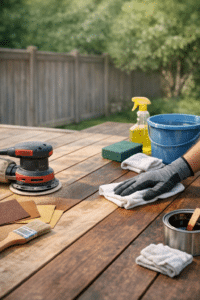
Sand Where Needed
Some wood arrives too smooth from milling, which can reduce absorption. Light sanding can help open the grain, especially on handrails, deck boards, or premium fence faces. At the same time, do not overpolish the wood. Extremely fine sanding can close the surface again.
Replace Problem Boards Early
If a board has excessive sap, deep machine marks, major staining from storage, or severe knotting, replace it before finishing. It is much easier than trying to disguise the problem after stain is applied.
Choose the Right Style of Stain for the Build
The best stain for a fence or deck depends on the wood, the desired look, and the level of maintenance you are willing to do.
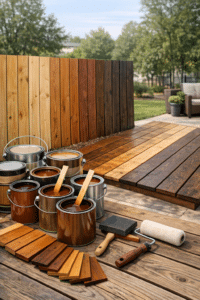
Transparent and Semi-Transparent Stains
These are ideal when you want to highlight natural grain and have chosen stain-friendly wood with attractive character. They tend to show off good wood selection, but they also reveal flaws more clearly, so material quality matters.
Semi-Solid Stains
Semi-solid products offer more pigment and can help reduce visual differences between boards while still preserving some texture. They are often a smart middle ground for projects with moderate variation in lumber appearance.
Solid Stains
Solid stains hide more of the grain and can be useful when the lumber is visually inconsistent. However, if your main goal is to celebrate beautiful natural wood, they may not be the best choice.
Common Mistakes That Make Staining Harder
If you want better results, avoid these common issues during planning and construction:
Using mixed wood species
Different species absorb stain differently, which can create a patchwork appearance.
Buying the cheapest lumber available
Low-grade boards may contain excessive knots, warping, or inconsistent grain that complicates finishing.
Ignoring drying time
Staining wet wood is one of the fastest ways to waste time and money.
Building moisture traps into the structure
Poor spacing, flat caps, or tight corners can shorten the life of both wood and stain.
Skipping design-for-maintenance thinking
A great-looking project today should still be serviceable a few years from now.
Best Practices for a Fence or Deck That Looks Better Longer
To sum up the building side of the process, aim for these fundamentals:
Prioritize smart wood selection by choosing boards known for consistent stain absorption and outdoor durability.
Invest in stain-friendly wood if appearance is a top priority and you want easier finishing.
Use a fence design or deck layout that encourages airflow and reduces trapped moisture.
Build cleanly so visible surfaces stay free from contamination and damage.
Let the wood dry properly before staining, especially with pressure-treated materials.
Plan for maintenance access so cleaning and recoating are manageable in the future.
Conclusion
If you want a fence or deck with a rich, even, long-lasting finish, do not treat staining as the last step alone. Great results begin with better wood selection, practical construction methods, and a thoughtful fence design or deck layout that works with the wood instead of against it. By choosing stain-friendly wood, allowing for airflow and drying, and avoiding common building mistakes, you set the stage for a finish that looks better and lasts longer.
Planning a new outdoor project? Build it with staining in mind from day one, and you will save time, reduce maintenance headaches, and enjoy a more professional-looking result for years to come.