
The Science Behind Wood Staining and Protection
Wood is one of the most beautiful and versatile building materials available, but it is also constantly under attack from the environment. Sunlight, rain, humidity, temperature changes, mold, and everyday wear can all weaken exposed wood over time. That is why staining is about more than color alone. A quality stain helps preserve the structure, appearance, and performance of wood by working with its natural fibers and defending against outdoor stressors.
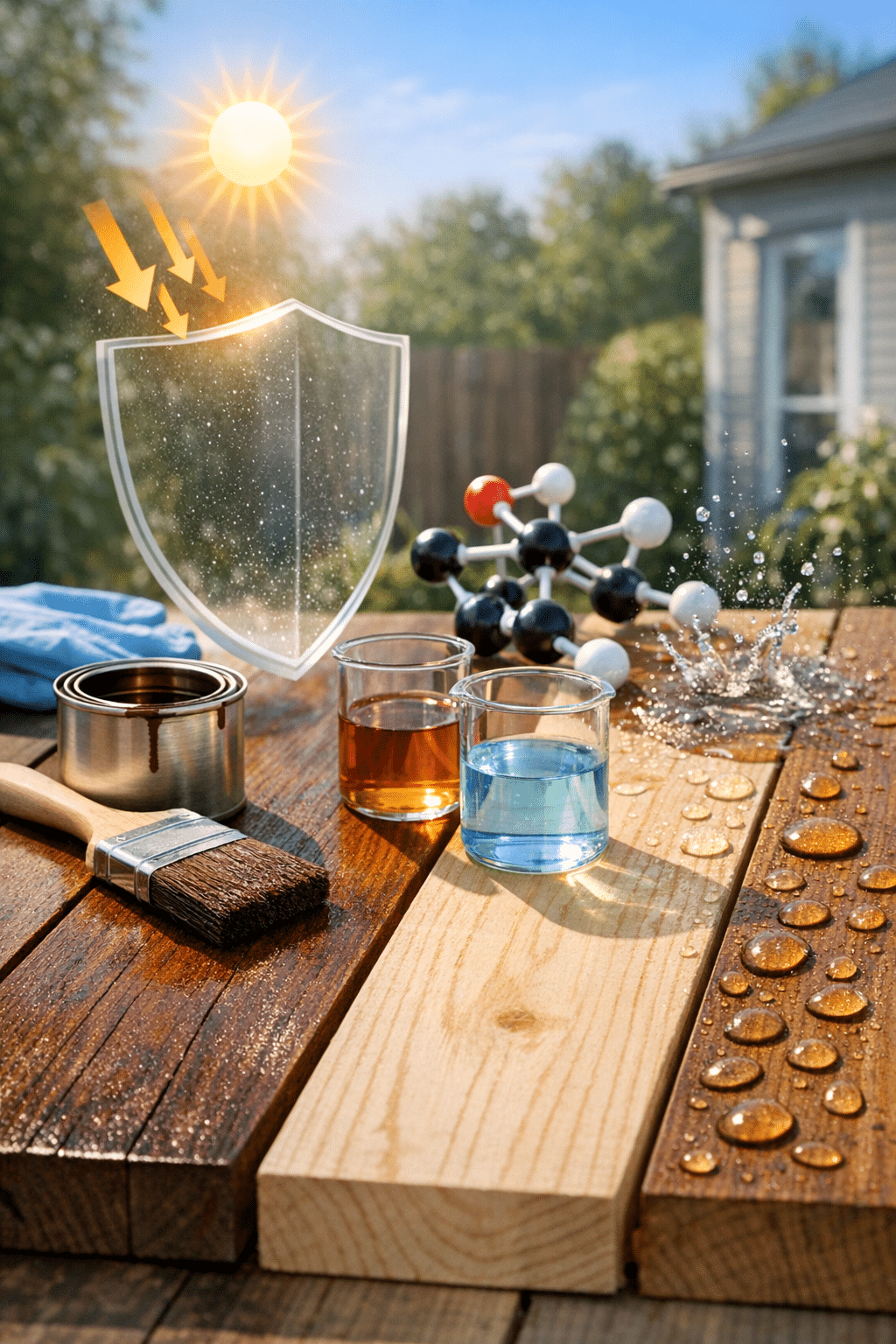
To understand why staining matters, it helps to look at the science behind it. From wood stain chemistry to UV protection and the creation of a moisture barrier, modern wood stains are designed to do much more than enhance grain. They interact with the wood surface in specific ways to slow degradation and extend service life. Whether you are finishing a deck, fence, siding, or outdoor furniture, understanding how stains work can help you choose the right product and maintain wood more effectively.
Why Wood Needs Protection
Wood is a natural, porous material made up of cellulose, hemicellulose, and lignin. These components give wood its strength and texture, but they also make it vulnerable. Tiny capillaries within the grain absorb and release moisture from the surrounding air. When this happens repeatedly, the wood expands and contracts. Over time, that movement can lead to warping, cracking, splitting, and raised grain.
At the same time, sunlight causes chemical breakdown. Ultraviolet rays degrade lignin, the natural polymer that binds wood fibers together. As lignin breaks down, the surface becomes weaker, grayer, and more prone to erosion. Add moisture into the equation, and wood can become a breeding ground for mildew, algae, and rot-causing fungi. In simple terms, unprotected wood ages quickly because nature never stops working on it.
Stain helps interrupt this cycle. It penetrates or coats the wood to reduce water intrusion, shield against UV exposure, and slow the breakdown of the surface. The exact level of protection depends on the stain formula, the type of wood, and the conditions the wood faces throughout the year.
Understanding Wood Stain Chemistry
Wood stain chemistry combines pigments, binders, solvents or water, and performance additives into a finish that colors and protects wood. Each ingredient has a specific role, and the balance among them affects everything from appearance to durability.
Pigments and Dyes
Pigments are tiny solid particles that lodge in the surface texture of the wood and provide color. Dyes, though less common in many exterior products, dissolve more completely and can create a more transparent appearance. In exterior stains, pigments are especially important because they also contribute to UV protection. Darker or more heavily pigmented stains generally block more sunlight than very clear finishes, which is one reason transparent coatings often need more frequent maintenance.
Binders and Resins
Binders, sometimes called resins, help the stain adhere to the wood and stay in place after drying. These ingredients form a flexible matrix that anchors pigment and contributes to water resistance. Oil-based stains often use alkyd resins, while water-based stains may rely on acrylic technology. The binder system has a major impact on how deeply the stain penetrates, how it cures, and how well it resists peeling or flaking.
Carriers: Oil, Water, or Solvent
The carrier is the liquid component that helps spread the stain evenly during application. Oil-based stains typically penetrate deeply and highlight grain well, making them a popular choice for many exterior wood surfaces. Water-based formulas tend to dry faster, produce lower odor, and offer easier cleanup. Both types can perform well when properly formulated. The right choice often depends on the project, climate, and maintenance goals.
Additives for Performance
Modern stains may also include mildewcides, water repellents, preservatives, and UV absorbers. These additives improve the stain’s ability to withstand outdoor conditions. In other words, wood stain chemistry is not just about appearance. It is a carefully engineered system designed to protect a natural material that would otherwise deteriorate much faster.
How Stain Penetrates and Protects Wood
One of the most important differences between stain and paint is penetration. While paint primarily forms a film over the surface, many stains are designed to soak into the upper layers of the wood. This matters because wood surfaces are uneven, fibrous, and absorbent. A penetrating stain moves into those pores and bonds more directly with the substrate.
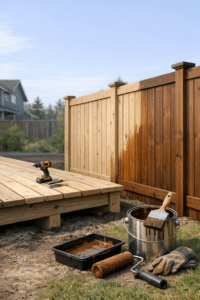
This penetration helps in two ways. First, it enhances the natural beauty of the grain rather than hiding it. Second, it can reduce the likelihood of peeling because the coating is not just sitting on top of the surface. Instead, it becomes integrated with the wood to some degree. That is particularly valuable on decks and fences, where foot traffic, temperature swings, and exposure to rain can stress a finish.
Not all stains penetrate equally. Transparent and semi-transparent stains generally soak in more and create less film, while solid stains behave more like a thin coating. The best option depends on the condition of the wood and the look you want. Newer, smoother wood may need careful preparation to ensure good absorption, while weathered wood may accept stain more readily.
The Role of UV Protection
UV protection is one of the most important functions of an exterior stain. Without it, sunlight begins breaking down wood almost immediately. Ultraviolet radiation attacks lignin first, weakening the bonds that hold wood fibers together. That is why untreated wood often turns gray and rough after prolonged sun exposure.
Stain helps reduce this damage through both pigments and UV-blocking additives. Pigmented stains scatter and absorb portions of incoming sunlight, limiting how much UV energy reaches the wood itself. Some formulations also include stabilizers that absorb ultraviolet radiation before it can damage the coating or the substrate.
The level of UV protection usually increases with opacity. Clear and very lightly tinted finishes offer minimal shielding. Semi-transparent stains provide a balance between natural appearance and defense. Semi-solid and solid stains typically offer the greatest sun protection because they contain more pigment. This is especially important for decks, siding, and fences that face direct southern or western sun for much of the day.
Color also plays a role. In many cases, darker and richer tones provide better UV resistance than pale or nearly clear finishes. While aesthetics matter, homeowners should remember that the most natural-looking finish is not always the most protective one in intense sun conditions.
How Stains Create a Moisture Barrier
Water is one of wood’s biggest enemies, and a well-formulated stain helps slow water intrusion by creating a partial moisture barrier. This does not mean wood becomes completely waterproof. Instead, the stain reduces how quickly water can enter the surface while still allowing some vapor exchange.
This balance is crucial. If a finish sealed wood completely with no breathability, trapped internal moisture could create its own problems. A good exterior stain functions as a controlled moisture barrier, limiting liquid water absorption while allowing the wood to dry out when conditions improve.
Water repellents in the stain lower the surface energy of the wood, making it harder for water to soak in. Resins and oils also help fill pores and coat fibers, reducing capillary action. When less water enters the wood, there is less swelling and shrinking. That means reduced risk of cracking, cupping, and splitting.
A strong moisture barrier also helps discourage mildew and decay. Fungi thrive when wood remains wet for extended periods. By helping the surface dry faster and absorb less water in the first place, stain can make conditions less favorable for biological growth.
Different Types of Wood Stains and Their Performance
Transparent Stains
Transparent stains showcase the grain and natural variation of the wood. They usually penetrate well but provide the least UV protection because they contain less pigment. These are often chosen for premium wood species where appearance is the top priority.
Semi-Transparent Stains
Semi-transparent formulas are a popular middle ground. They add color while still allowing wood grain to remain visible. They offer better sun defense and often strike a practical balance between beauty and durability.
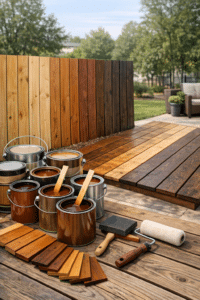
Semi-Solid and Solid Stains
These products contain more pigment and provide stronger protection from sunlight and weather. They are useful on older wood, mixed-species surfaces, or projects where uniform color is desired. Because they form more of a surface film, they may require more attention to proper preparation and recoat timing.
Application Science: Why Preparation Matters
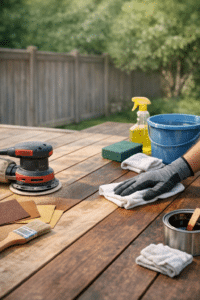
Even the best wood stain chemistry cannot perform properly on a poorly prepared surface. Dirt, mildew, mill glaze, old failing coatings, and excess moisture all interfere with penetration and adhesion. Cleaning and drying the wood before staining is not just a best practice; it is a scientific necessity.
Wood that is too wet will not absorb stain evenly. Instead, water already occupying the pores prevents the finish from entering the surface effectively. Likewise, if the wood is dirty or sun-damaged, stain may sit unevenly, resulting in blotching, weak adhesion, or shorter service life.
Temperature also matters. Very hot surfaces can cause stain to dry too quickly, reducing penetration. Cool, damp conditions can slow curing and affect film formation. Following manufacturer guidelines helps ensure the stain can build an effective moisture barrier and deliver reliable UV protection.
Why Maintenance Is Part of the Protection System
No stain lasts forever. Sunlight gradually degrades binders, rain wears down the surface, and foot traffic adds abrasion. Over time, the protective qualities of the stain diminish. That is why inspection and maintenance are part of the full protection strategy.
Regular cleaning removes mold, dirt, and contaminants that can break down finishes. Recoating before the stain fully fails is usually easier and more cost-effective than waiting until the wood is badly weathered. When homeowners understand the science, maintenance becomes less about guesswork and more about preserving performance.
If a surface starts fading, absorbing water quickly, or showing uneven wear, those are signs that the stain’s UV protection or moisture barrier may be weakening. Addressing the issue early can extend the life of both the finish and the wood underneath it.
Choosing the Right Stain for Long-Term Results
The best stain is the one that matches the wood species, exposure level, and maintenance expectations of the project. A shaded fence may do well with a more transparent finish, while a sun-drenched deck may benefit from a more heavily pigmented product. Softwoods and hardwoods absorb stain differently, and old wood behaves differently from new lumber. These variables all affect performance.
When comparing products, look beyond color. Consider the formula’s wood stain chemistry, level of UV protection, and ability to function as a breathable moisture barrier. A stain that looks great on application day but does not hold up to weather will not deliver real value over time.
Conclusion
Wood staining is both an art and a science. Beneath the color and finish, advanced wood stain chemistry helps protect wood from sunlight, water, and environmental wear. With the right level of UV protection and a well-balanced moisture barrier, a quality stain can preserve the beauty and strength of wood for years.
If you want your wood surfaces to last longer and look better, choose a stain based on performance, not just appearance. Need help selecting the right finish for your project? Contact a wood care professional and protect your investment with the right staining plan today.