
How Stain Quality Affects Fence and Deck Longevity
Investing in a better stain is more than a cosmetic choice—it’s a smart way to protect your fence and deck from harsh sunlight, moisture, and foot traffic. The right product penetrates deeper, blocks damaging UV rays, sheds water, and resists mildew, all of which extend service life and reduce the frequency of re-coating. In this practical guide, we’ll walk through a clear stain quality comparison, break down the most important durability factors, and help you choose long-lasting stains that deliver fewer repairs and lower total cost over time.
Why Stain Quality Matters for Wood Longevity
Outdoor wood elements fail for predictable reasons: ultraviolet (UV) radiation degrades lignin, rain and snow drive moisture cycles that cause swelling and shrinkage, and temperature swings accelerate checking and cracking. On decks, abrasion from foot traffic and furniture is an additional challenge. A high-quality stain combats these stressors in multiple ways at once, protecting both the surface and the internal fibers.
The Science of Weathering
UV rays break down wood’s natural binders near the surface, leading to graying and fiber erosion. Moisture penetrates through end grain and micro-cracks, promoting rot and fungal growth. Heat accelerates oxidation, and freeze–thaw cycles widen checks. Superior stains use advanced resins and pigments to slow these processes, preserving structural integrity and appearance longer.
Common Failure Modes
Low-grade coatings typically show early signs of failure: premature fading, blotchiness, surface chalking, peeling or flaking film layers, raised grain, mold and mildew spotting, and persistent water absorption. Quality products are engineered to resist these outcomes, giving fences and decks consistent color, better water beading, and more stable surfaces between maintenance coats.
Stain Quality Comparison: What Separates Long-Lasting Stains
A meaningful stain quality comparison looks beyond marketing claims and focuses on chemistry, solids content, and lab testing. Here are the core attributes that define long-lasting stains and the durability factors that drive real-world performance.
Resin Systems: The Backbone of Durability
Resins determine adhesion, flexibility, and resistance to weathering. Traditional alkyd (oil-based) resins offer deep penetration and rich color but can yellow over time; modern modified oils and alkyd–acrylic hybrids improve flexibility and UV stability. High-quality waterborne acrylics excel at color retention and are less prone to peeling when formulated to penetrate rather than form a brittle film. Premium urethane-modified systems increase abrasion resistance on decks, making them better suited for high-traffic areas.
Pigment Load and UV Blockers
Pigments are not just about color—they act as micro umbrellas that shield wood fibers. Trans-oxide and nano-pigments provide superior UV protection at lower concentrations, reducing fade and fiber degradation. Look for higher-quality stains with robust pigment packages and UV absorbers; in practice, semi-transparent and semi-solid finishes offer better UV resistance than transparent options due to their higher pigment load.
Penetration vs. Film Build
Penetrating stains soak into the wood, reinforcing fibers from within and minimizing peeling risk. Film-forming products sit on top and can deliver bold, opaque color (solid stains), but they are more sensitive to substrate moisture and preparation—peeling becomes more likely if adhesion is compromised. For fences, highly penetrating stains often yield the best longevity with low maintenance. For decks, consider a penetrating or hybrid system with enhanced abrasion resistance.
Solids Content and Viscosity
Higher non-volatile solids typically mean more resin and pigment remain in the wood after solvents or water evaporate, increasing protection. While viscosity alone doesn’t guarantee quality, it can indicate a richer formula. Check product data sheets for volume solids and recommended spread rates to gauge protective film formation and penetration depth.
Water Repellency and Mildew Resistance
Premium stains include water-repellent additives and mildewcides that resist fungal growth on the coating film. Effective water repellency reduces swelling, checking, and freeze–thaw damage. Mildew resistance maintains a cleaner surface and protects color uniformity, especially in humid or shaded locations.
VOC Compliance Without Compromising Performance
Low-VOC formulas have improved dramatically. Many top-tier low-VOC stains now match or exceed the performance of older high-solvent products due to better resin technology. Don’t assume lower VOC means lower durability—assess the whole package, including resins, pigment technology, and third-party test results.
Testing, Standards, and Warranties
Quality manufacturers publish data from accelerated UV exposure, moisture cycling, and abrasion tests, and they may reference standards like ASTM exposures and scrub/abrasion metrics. While warranties don’t guarantee performance on every site, multi-year transferable warranties often indicate confidence backed by robust chemistry and real-world trials.
Durability Factors You Control
Even the best stain can fail if applied to wet, dirty, or deteriorated wood. Understanding application-related durability factors helps you extract maximum life from any product.
Wood Species and Age
Cedar and redwood contain natural extractives that aid decay resistance but still need UV and moisture protection for color stability. Pressure-treated pine is economical yet more prone to checking; a deeply penetrating stain slows damage. New wood often has mill glaze and higher moisture; allow time for seasoning and prepare surfaces properly before staining.
Surface Preparation
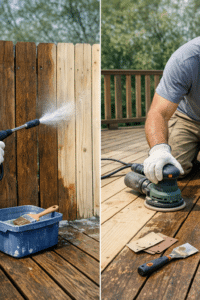
Clean, sound, and dry surfaces are essential. Remove gray fiber, dirt, and old failing coatings with a deck cleaner/brightener, followed by light sanding to open pores on smooth lumber. Target a wood moisture content below 15% before application. Address loose fasteners and sand splinters; smooth, stable wood absorbs stain more evenly and holds it longer.
Application Conditions and Technique
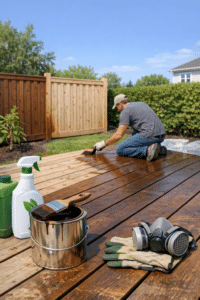
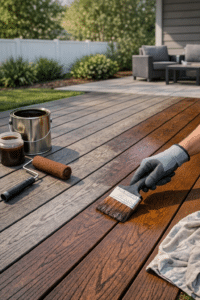
Apply within the manufacturer’s recommended temperature and humidity ranges, typically avoiding direct midday sun and imminent rain. Back-brush to drive stain into pores, treat end grain generously, and maintain wet edges to prevent lap marks. Follow spread rate guidance; over-application can cause sticky surfaces and dirt pickup, while under-application reduces protection.
Maintenance Intervals
Proactive maintenance is a hallmark of long-lasting stains. Inspect annually: if water no longer beads or color has dulled, a light clean and a maintenance coat will refresh protection without full stripping. Regular maintenance extends the interval before any major restoration, keeping total costs low.
Choosing the Right Product: Fences vs. Decks
Fences see heavy UV exposure but little abrasion; decks face UV, standing water, and foot traffic. Align your selection with these realities for a smarter stain quality comparison.
Transparency Level
Transparent stains showcase wood grain but offer the least UV protection and require more frequent re-coats. Semi-transparent and semi-solid stains balance beauty and durability with more pigment for UV blocking. Solid stains provide the strongest UV barrier and uniform color but behave more like paint; meticulous prep is vital to avoid peeling, especially on horizontal decking.
Oil vs. Water-Based
Oil-based stains typically penetrate well and enrich color, making them strong candidates for fences and weathered wood. High-quality water-based or hybrid stains provide excellent color retention, faster dry times, and better abrasion resistance, a big plus on decks. Evaluate based on your climate, desired appearance, and willingness to follow strict prep guidelines.
Color Choice
Darker colors absorb more heat, which can accelerate surface stress on decking in full sun but also increase UV protection due to higher pigment. Mid-tone browns often strike a good balance for decks, while fences can benefit from slightly deeper tones for added UV shielding.
Climate Considerations and Regional Choices
Your environment influences which durability factors matter most.
High Sun and Arid Regions
Prioritize stains with advanced UV absorbers and high-quality pigments. Semi-solid finishes perform particularly well, and maintenance intervals may shorten due to intense radiation. Regular rinsing to remove dust helps minimize abrasion.
Humid or Coastal Areas
Emphasize water repellency and mildewcides. Look for resins with excellent moisture resistance and strong adhesion to prevent blistering above high moisture content. Gentle, periodic cleanings reduce salt and mildew buildup.
Freeze–Thaw Climates
Choose flexible resins that accommodate wood movement, and focus on deep penetration. Seal end grain thoroughly and ensure excellent drainage around decks to minimize standing water and ice.
High Altitude or Extreme UV
Increase pigment load (semi-transparent to semi-solid) and shorten maintenance cycles proactively. Consider hybrid or urethane-modified systems for decking to resist combined UV and mechanical wear.
Cost–Benefit: Pay More Now, Save Later
Premium stains cost more per gallon but return value through longer service intervals and less labor. Consider a simple example: a budget stain that needs recoating every 12–18 months versus a premium product that lasts 30–36 months. Over a six-year span, the premium option may require half as many applications, reducing labor, disruption, and material waste—while keeping your fence and deck looking better throughout.
Quick Buying Checklist
1) Chemistry: Look for advanced resins (modified oil, acrylic/alkyd hybrids, or urethane-modified) with high-quality UV blockers.
2) Penetration: Favor penetrating systems for fences; choose abrasion-resistant formulas for decks.
3) Pigment Level: Step up from transparent to semi-transparent or semi-solid for stronger UV defense and long-lasting stains.
4) Data and Testing: Review product data sheets for solids content, recommended spread rates, and accelerated weathering results.
5) Prep Guidance: Clear instructions for cleaning, moisture limits, and application windows indicate a serious, quality-focused brand.
6) Maintenance Plan: Opt for systems designed for easy maintenance recoats without full stripping.
Signs It’s Time to Recoat
Water stops beading, color fades significantly, or the surface feels rough and chalky. Address these early with a maintenance coat rather than waiting for peeling or deep checking—preventive care is one of the most effective durability factors under your control.
Bringing It All Together
Choosing the right stain is about more than color swatches—it’s about chemistry, application, and climate fit. A thoughtful stain quality comparison that weighs resin technology, pigment load, penetration, and verified test data will consistently point you toward long-lasting stains. Paired with careful prep and timely maintenance, that choice can add years to your fence and deck, protect your investment, and elevate curb appeal season after season.
Conclusion
High-quality stains transform fences and decks from maintenance headaches into durable, beautiful features that stand up to the elements. Focus on the right durability factors, choose proven formulas, and follow best practices to extend service life and lower lifetime costs. Ready to protect your outdoor wood and get professional-grade results? Contact our team for a personalized product match and a maintenance plan tailored to your climate and surfaces.