
The Best Tools and Supplies for Fence and Deck Staining
Getting a smooth, durable finish on your fence or deck starts long before you crack open a can of stain. With the right tools and supplies, you’ll work faster, avoid common mistakes, and end up with professional-looking results that last. Consider this your complete guide to efficient stain application—what to buy, why it matters, and how to use each piece of gear for the best outcome.
Why the Right Tools Matter
Staining exterior wood is a race against time and the elements. Sun, wind, and temperature swings can dry stain too quickly, while rough surfaces or hidden moisture can cause blotchy color and premature failure. The correct stain supplies help you prepare the surface thoroughly, apply stain evenly, and protect surrounding areas—saving you hours of rework. Whether you’re refreshing a backyard deck or sealing a long fence line, the right gear is the difference between frustration and a flawless finish.
The Complete Staining Tools List
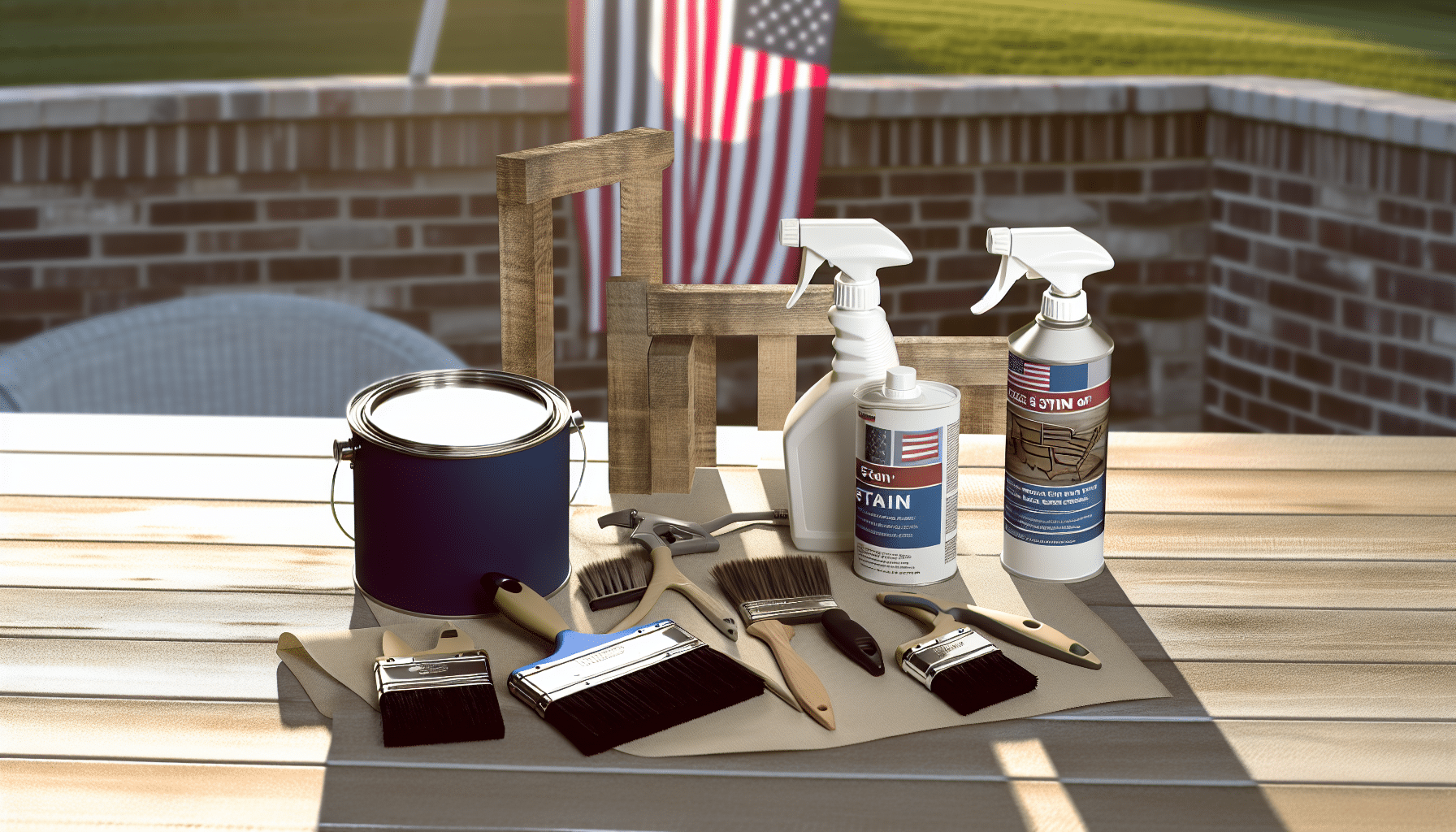
Below is a practical staining tools list you can tailor to your project size and budget. Each category explains what the tool does and when to use it.
Surface Preparation Essentials
Pressure Washer (with fan-tip nozzles): Cleans dirt, mildew, and old failing finishes. Use a 40-degree fan tip and moderate pressure to avoid gouging wood. Always follow with proper drying time.
Deck and Fence Cleaner: Oxygenated cleaners lift grime and graying without harsh residue. Choose a product compatible with your stain type and wood species.
Wood Brightener (Oxalic Acid): Neutralizes cleaners and restores pH for better stain penetration and color uniformity—especially important for softwoods like cedar and pine.
Scrub Brushes and Stiff-Bristle Brooms: For agitation after applying cleaners, and for corners where a washer can’t reach.
Detail Scrapers and Putty Knife: Lift peeling finishes and debris from knots, edges, and fastener heads.
Orbital Sander and Sandpaper (80–120 grit): Smooth high-traffic areas and rail tops; feather out old stain edges. Avoid over-sanding which can close wood grain and reduce absorption.
Moisture Meter: Confirms wood is within the recommended moisture range (often under 15%) before staining to prevent adhesion issues.
Cleaning Buckets and Measuring Cups: Ensure accurate dilution of cleaners and brighteners for consistent results.
Personal Protective Equipment (PPE): Safety glasses, chemical-resistant gloves, and a NIOSH-approved respirator (especially for oil-based products or when spraying).
Application Tools: Brushes and Sprayers
Wide Stain Brush (4–6 inches, natural or blend bristles): The most forgiving tool for decks and fences. Holds plenty of product, helps you control coverage, and encourages proper back-brushing.
Angle Sash Brush (2–2.5 inches): Ideal for railings, balusters, and detail work where precision matters.
Stain Pads and Block Applicators: Great for flat deck boards and fence panels; they spread evenly and reduce splatter. Pair with a pole to work standing up.
Roller Frames and Covers (1/4–3/8 inch nap): Useful for speed on flat surfaces. Always back-brush immediately to work stain into the grain and prevent lap marks.
Pole and Extension Handles: Improve reach and reduce fatigue on large runs of fence and expansive decks.
Airless Sprayer: The fastest way to cover large surfaces. Use low pressure and proper tips (often .013–.015 for thin stains) and always back-brush. Excellent for fences with lots of slats.
HVLP or Pump Sprayers: Helpful for thin, semi-transparent stains on fences. Strain the stain first to avoid clogs and keep a brush handy for instant back-brushing.
Bucket Grids and Pour Spouts: Keep tools loaded consistently and minimize mess while moving between sections.
Detail and Edge Tools
Cut-In Guides: Protect adjacent surfaces while brushing near siding, posts, and hardware.
Stain Mitts: Handy for balusters, spindles, and odd shapes where pads or rollers struggle.
Small Nylon Brushes and Artist Brushes: Tackle tight corners, post caps, and decorative details.
Protection, Cleanup, and Safety
Drop Cloths and Plastic Sheeting: Shield landscaping, concrete, and siding from overspray and drips.
Exterior Painter’s Tape: Clean edges around metal brackets, windows, and trim; remove promptly to avoid residue.
Rags and Absorbent Pads: Wipe drips, catch runs under railings, and maintain tidy edges.
Solvent or Cleaner (Mineral Spirits for Oil-Based; Water/Cleaners for Water-Based): For tool cleanup and accidental spills. Check your stain’s label.
Brush and Roller Comb/Spinner: Rejuvenate tools during long workdays and extend their life.
Metal Disposal Can with Lid: Oily rags can self-heat; dry them safely or store in a sealed container per local regulations.
Brushes and Sprayers: How to Choose
Both brushes and sprayers can deliver a professional finish when used correctly. Choose based on your surface, stain type, and speed requirements.
Brushes and Pads: Offer superior control, push stain into the grain, and minimize overspray. Best for decks, rails, and small to medium projects. They’re also perfect for back-brushing after spraying.
Airless Sprayers: Unmatched productivity on long fences and large decks. They can atomize thicker, solid-color stains, but require masking and a steady technique. Always back-brush to ensure penetration and even sheen.
HVLP/Pump Sprayers: Efficient with thin, semi-transparent formulas on fences. They’re portable and quick to clean, but need careful filtering and consistent distance to avoid striping.
Pro tip: Spraying gets stain onto the surface; brushing gets it into the wood. Combining both methods often yields the best, most durable finish.
Must-Have Stain Supplies
Beyond tools, the right stain supplies make your workflow smoother and your results more predictable.
The Stain: Choose based on wood species, exposure, and desired look. Semi-transparent stains highlight grain; semi-solid and solid stains offer more UV protection and color uniformity. Oil-based formulas penetrate deeply; water-based options dry faster and clean up with soap and water.
Sample Sizes and Test Boards: Always test color on a spare board or hidden area to confirm tone and absorption.
Mixing Sticks and Mechanical Mixer: Keep pigments in suspension for consistent color, especially with solids and semi-solids.
Paint Strainers: Filter debris before loading brushes and sprayers to prevent clogs and improve finish quality.
Thermometer/Hygrometer: Verify temperature and humidity. Aim for moderate conditions to maintain a wet edge and avoid flash-drying.
Tack Cloths: Remove fine dust before staining sanded handrails and tops.
Wood Filler or Epoxy (Exterior-Rated): Repair checks and gouges prior to finishing; sand smooth and spot-prime if required by the stain system.
Build Your Kit by Project Size
Small Fence Panel or Gate: Angle brush, 4–6 inch stain brush, stain pad, rags, painter’s tape, drop cloth, quart of stain, and a small bucket with grid. Optional: pump sprayer for slatted panels.
Medium Deck (200–400 sq. ft.): Pressure washer, cleaner/brightener, orbital sander, wide brush on a pole, stain pad, roller and tray with grid, angle brush for edges, gallon(s) of stain, moisture meter, PPE, and plastic sheeting for nearby surfaces.
Large Fence Line or Multi-Level Deck: All prep tools plus an airless sprayer, extra tips/filters, multiple stain pads for back-brushing, plenty of drop cloths, and a mixing drill. Buy stain in 5-gallon pails and box together for color consistency.
Pro Techniques for Faster, Better Results
Check the Weather Window: Target mild temps, low wind, and no rain in the forecast. Avoid hot, direct sun which can cause lap marks and poor penetration.
Maintain a Wet Edge: Work in manageable sections from end-to-end to prevent overlaps. Pre-wet end cuts slightly (or stain them first) to minimize dark edges.
Back-Brush Always: Even when rolling or spraying, back-brush to drive stain into the grain and even out sheen.
Elevate Boards: Use painter’s pyramids or scrap strips to stain edges and ends without sticking.
Mask Smart: Tape hardware and wrap posts near concrete to prevent staining adjacent materials.
Control Drips: Keep a rag in your pocket; wipe runs immediately on verticals and undersides.
Dispose Safely: Lay oily rags flat to dry outdoors or store in a sealed metal container to prevent spontaneous combustion. Follow local regulations.
Where to Save and Where to Spend
Invest in: A quality wide brush, a reliable sprayer (if tackling large projects), a moisture meter, and pro-grade cleaners/brighteners. These directly impact finish quality and speed.
Save on: Drop cloths, plastic sheeting, and basic buckets. In many cases, mid-tier rollers and pads perform admirably when paired with good technique.
Common Mistakes to Avoid
Staining on Damp Wood: Leads to blotching and premature failure. Verify with a moisture meter.
Skipping Brightener: After cleaning, wood often needs pH neutralization for even color and proper adhesion.
Over-Application: Too much stain leaves a sticky surface and attracts dirt. Apply thin, even coats and wipe or brush out excess.
Ignoring Manufacturer Guidelines: Dry times, recoat windows, and application temperatures vary by product—always read the label.
Your Ready-to-Go Stain Kit
To recap, a practical staining tools list includes: prep gear (washer, cleaner, brightener, sander, PPE), application tools (brushes and sprayers, pads, rollers, poles), protection (drop cloths, tape), and finishing stain supplies (the right stain, strainers, mixers, rags, and cleanup solutions). With these items, you can move confidently from prep to final coat without unnecessary trips to the store.
Conclusion: Stain Smarter, Not Harder
A beautiful fence or deck isn’t just about color—it’s about preparation, technique, and having the right tools at your side. Use this guide to stock up on essential stain supplies and dial in your workflow with the best brushes and sprayers for your project. Ready to get started? Save this staining tools list, gather your gear, and transform your outdoor spaces with a finish that looks great and lasts. Need help choosing products? Reach out to a local paint specialist or trusted contractor for personalized recommendations.