
Fence and Deck Staining Mistakes to Avoid
If you’ve ever spent a weekend staining your fence or deck only to see blotches, peeling, or gray wood months later, you’re not alone. Many homeowners unknowingly repeat the same common stain errors that cause poor results and premature wear. The good news: with the right prep, product choices, technique, and maintenance, your stain can look richer, last longer, and protect your investment. Use the following guide to sidestep application mistakes and follow practical fence care tips that keep your wood looking its best.
Why Staining Matters—and How It Fails
Quality stain blocks UV damage, sheds water, slows cracking and cupping, and enhances your wood’s natural character. Failure occurs when stain can’t soak properly into the wood, cures incorrectly, or faces harsh conditions before it’s ready. Most premature failures trace back to a handful of avoidable issues: inadequate prep, the wrong product, poor application, or skipped maintenance. Understanding these common stain errors is the fastest route to better, longer-lasting results.
Prep Mistakes That Undermine Your Finish
Skipping Deep Cleaning and Mildew Removal
Applying stain over dirt, pollen, gray oxidized fibers, or mildew prevents penetration and leads to blotches or peeling. Clean with a wood-safe cleaner or oxygenated bleach, then rinse thoroughly. For decks, a light pressure-washing can help—use a wide fan tip and keep pressure modest to avoid furring the wood. Let the surface return to a neutral pH if you used a cleaner; a brightener can help restore color and open the grain for uniform absorption.
Not Letting Wood Dry
Staining damp wood traps moisture, causing hazing, poor adhesion, or milky patches. After cleaning or rain, allow 24–72 hours of drying time depending on temperature, humidity, and sun exposure. Use a moisture meter if possible; aim for 12–15% or less before you stain.
Neglecting Sanding and Surface Smoothing
Feathering rough spots and removing milling glaze on new boards promotes even absorption. Spot-sand raised grain, splinters, and patched areas with 80–120 grit. Avoid over-sanding to a polished finish, which can reduce stain penetration—especially on dense species.
Ignoring Repairs and Fasteners
Loose boards, popped nails, and corroded fasteners show through stain and invite water intrusion. Tighten or replace hardware, tap down nail heads, and swap corroded screws for coated or stainless options. Address sap bleed and pitch pockets on softwoods with a resin solvent or primer compatible with your stain system.
Failing to Protect Surroundings
Overspray and drips on siding, concrete, or plants are hard to fix. Mask adjacent surfaces, cover landscaping, and set drop cloths. This simple step prevents an avoidable mess—a frequent but preventable item on the list of application mistakes.
Product and Color Choices That Lead to Trouble
Using the Wrong Stain for the Job
Not all stains perform the same. Oil-based stains typically penetrate deeply and enrich grain; water-based formulas excel in color retention, quick drying, and easy cleanup. For high-traffic decks, consider penetrating semi-transparent or semi-solid products that balance protection and wood visibility. For fences with weathered boards, a solid-color stain can unify tone and maximize UV shielding. Matching the product to the surface, exposure, and desired look helps you avoid common stain errors like premature wear or excessive peeling.
Not Testing Color and Absorption
Wood species, age, and porosity affect how stain reads. Always do a test patch on a hidden area to check color depth and uniformity. If the wood drinks stain unevenly, pre-treat with a conditioner recommended by the manufacturer or consider a more opaque formula for consistency.
Forgetting End-Grain Sealers and UV Protection
End grain acts like a bundle of straws, wicking water deep into boards. Sealing cut ends with a dedicated end-grain sealer reduces swelling and checking. Also prioritize stains with strong UV inhibitors to slow graying—especially on south- and west-facing surfaces.
Application Mistakes That Ruin Results
Staining in Harsh Weather
Direct sun, hot surfaces, cold snaps, or high humidity can wreck a finish. Follow label guidance, typically 50–90°F with mild humidity and no rain in the forecast for 24–48 hours. Avoid staining in full midday sun; work in the shade as it moves to prevent flash-drying and lap marks. Watch the dew point—if moisture condenses overnight on uncured stain, hazing and dull patches can result.
Poor Mixing and Inconsistent Sheen
Failing to stir thoroughly leaves pigments at the bottom and binders at the top, causing color shifts and sheen differences. Box multiple gallons (pour cans together and mix) for a uniform batch. Stir periodically during use. This single habit prevents one of the sneakiest application mistakes.
Over- or Under-Applying; Not Back-Brushing
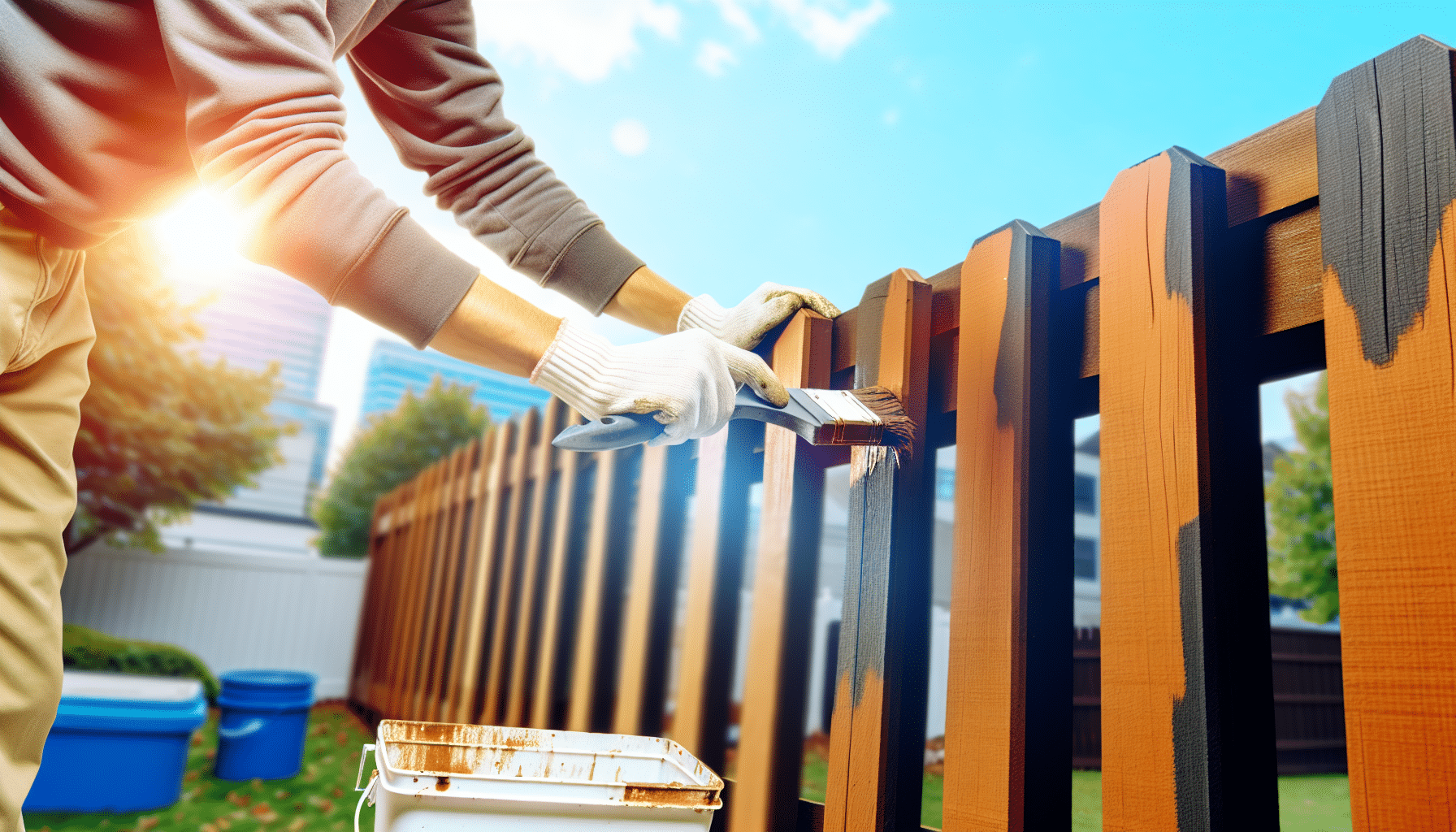
Heavy coats can skin over and remain tacky; thin coats starve the wood and fade quickly. Apply thin, even coats and always back-brush or back-roll to drive stain into the grain and level out excess. Never let puddles sit; wipe or brush them out immediately.
Creating Lap Marks and Uneven Coverage
Start at a corner and maintain a wet edge, working two to three boards at a time on decks or one panel section at a time on fences. Stop at logical breaks like posts or board seams. Overlap into still-wet areas to prevent dark ridges and stripes.
Using the Wrong Tools and Technique
Brushes with natural bristles suit oil-based stains; synthetic bristles pair best with water-based products. Stain pads and rollers speed coverage on large, flat areas. Sprayers are efficient but require back-brushing to ensure penetration and avoid overspray. Choose tools based on the product and surface so your technique doesn’t become another of those common stain errors.
Rushing Dry Times and Recoat Windows
Recoating too soon can trap solvents, while waiting too long can reduce intercoat adhesion. Follow the manufacturer’s recoat window. If you miss it, a light scuff-sand can improve bonding before the next coat.
Maintenance Missteps After Staining
Skipping Routine Washing
Dirt, pollen, and mildew break down finishes faster. Rinse seasonally and wash gently with a wood-safe cleaner. Keep sprinklers from soaking the same area daily, and trim vegetation to encourage airflow and drying.
Delaying Touch-Ups and Spot Maintenance
High-traffic paths, handrails, stair treads, and post caps wear first. Touch up thin areas before they expose bare wood. Small, timely fixes extend the life of the whole finish.
Ignoring High-Wear and High-Exposure Zones
Horizontal surfaces and south-facing fence lines take the brunt of sun and rain. Expect more frequent maintenance there and plan a staggered refresh schedule rather than waiting for complete failure.
Pro-Level Fence Care Tips for a Longer-Lasting Finish
Put these practical fence care tips to work for results that last:
- Choose the right opacity. Transparent stains look natural but need frequent recoats; semi-transparent or semi-solid balance beauty and longevity; solid stains offer maximum UV protection.
- Seal end grain and cut edges on pickets, rails, and posts to minimize moisture wicking and splitting.
- Elevate the bottom of fence pickets slightly above grade to reduce splash-back and rot risk.
- Use stainless or coated fasteners to prevent rust streaks that stain finishes.
- Plan your work by the sun: stain the shaded side first and follow the shade line to avoid flash-drying.
- Keep a small, labeled touch-up kit of the same stain for quick spot repairs after storms or yard work.
Troubleshooting: Fixing Stain Problems After the Fact
Blotchy or Uneven Color
If parts look lighter or darker, allow full cure, then lightly scuff and apply a thin, even coat over the entire panel or board run. For severe blotching, a wood brightener or careful stripping may be necessary before restaining.
Sticky or Tacky Finish
Excess product or cool, humid conditions often cause tackiness. First, wait an extra 24–48 hours. If still tacky, wipe with mineral spirits (for oil-based) or a manufacturer-recommended cleaner (for water-based) to remove excess, then allow to cure. Avoid heavy overcoats; thin, leveled passes are key to preventing this application mistake.
Lap Marks and Stripes
Feather-sand just the ridges with fine grit, then reapply a light coat while keeping a wet edge. Consider adding a conditioner or extender (if compatible) to slow drying in hot weather.
Peeling or Flaking
Peeling indicates poor adhesion, trapped moisture, or previous film failure. Remove loose material with a scraper and brush, clean, brighten if needed, and allow thorough drying. Switch to a penetrating formula on heavily weathered wood to reduce future peeling.
Quick Checklist to Avoid Common Stain Errors
- Clean, brighten, and let wood dry to a safe moisture level.
- Repair fasteners and sand problem spots; protect plants and adjacent surfaces.
- Choose the right stain type and opacity; test color on your actual wood.
- Watch weather: work in shade, within recommended temperature and humidity.
- Stir well, box multiple gallons, and maintain a wet edge.
- Apply thin coats and back-brush; respect recoat windows and cure times.
- Rinse seasonally, touch up high-wear zones, and refresh before failure.
FAQ: Fast Answers to Common Application Mistakes
How long should I wait after rain before staining?
Usually 24–72 hours, depending on temperature, humidity, and sun. Use a moisture meter for confidence—below 12–15% is a safe target.
What’s the best tool for fences?
A high-quality brush plus a stain pad or sprayer works best. Even when spraying, always back-brush to ensure penetration and avoid overspray lines.
Can I stain over old stain?
Yes—if it’s the same type (oil over oil, water over water) and in sound condition. If the old finish is peeling or very uneven, strip or sand to a stable surface first. Solid stains typically require a more thorough prep when changing products.
How often should I restain?
Transparent: 1–2 years; semi-transparent: 2–3 years; semi-solid: 3–4 years; solid: 4–6 years. Exposure, wood species, and maintenance habits can shift these timelines.
Bring It All Together
Beautiful, durable fences and decks are no accident. They’re the result of sound prep, smart product choices, careful technique, and steady upkeep. Avoiding common stain errors and steering clear of application mistakes puts you miles ahead, while ongoing fence care tips help your finish resist sun, rain, and daily wear.
Ready for a Finish That Lasts?
If you’re planning a project, save this guide and share it with your crew. Need expert help choosing products or want a professional-quality application without the guesswork? Contact us today for a consultation and detailed estimate—let’s make your fence and deck look great and stay protected season after season.